

Top Tips for Safe Winter Driving
Proper preparation for winter driving can prevent accidents and ensure your vehicle runs smoothly. Here’s what you need to do.
Proper preparation for winter driving can prevent accidents and ensure your vehicle runs smoothly. Here’s what you need to do.
Before the winter season hits, it’s essential to ensure your vehicle is ready to handle the cold and icy conditions. Proper preparation can prevent many common winter driving issues and ensure your vehicle runs smoothly. Here’s what you need to do:
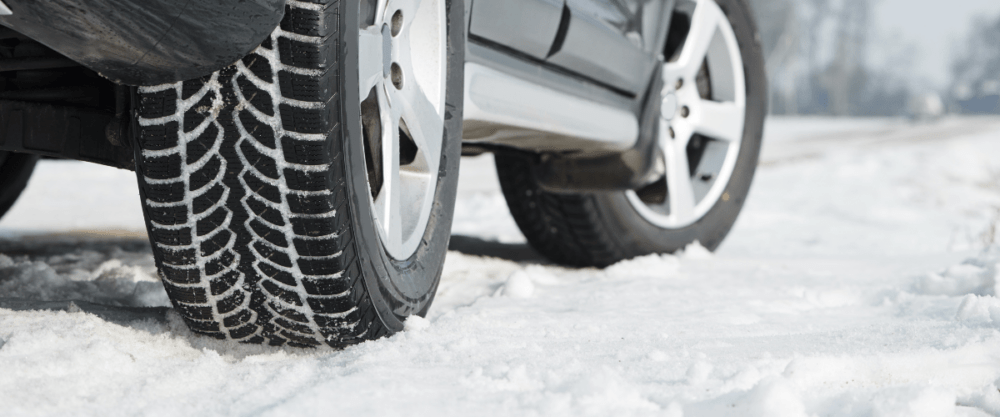
Your tires are your first line of defence against slippery roads. Ensuring they are properly inflated and have sufficient tread depth is crucial for maintaining traction. Consider switching to winter tires, which are designed to provide better traction in snowy and icy conditions. Winter tires are made from a different rubber compound that remains flexible in cold temperatures, enhancing grip. Remember, tire pressure can drop with the temperature, so check it regularly to maintain optimal performance and safety.
Top up all essential fluids, including antifreeze, windshield washer fluid, oil, and brake fluid. Make sure to opt for a winter-grade oil if necessary, as it flows better at lower temperatures, providing better engine protection. Using a winter-grade windshield washer fluid can also prevent it from freezing and ensure you have clear visibility.
Ensure your brakes are functioning correctly, as stopping distances can increase on icy roads. Regular brake inspections can help identify wear and tear before it becomes a safety issue. Check that all lights are working, including headlights, taillights, and turn signals, to ensure visibility in low-light conditions. Dirty or dim lights can impair visibility, so clean them regularly and replace any burnt-out bulbs promptly.
See the Quartix Check vehicle inspections app solution to integrate vehicle inspections checklists into your fleet tracking system. Your drivers can use the inspections app to report any vehicle safety issues before they cause any disruption to their journey.
Your lights are vital for your safety and the safety of others. Not only do they help you see more clearly on the road, but they also signal your intentions to other road users. It’s crucial to familiarise yourself with your car’s light settings.
Ensure that your front and rear lights are switched on in low visibility conditions. However, avoid blinding other drivers with full beam or fog lights unless necessary. Don’t rely on automatic settings or daytime running lights, as these can leave you with inadequate lighting, particularly at the rear. Fog lights, in particular, should only be used when visibility is significantly reduced and must be switched off when conditions improve.
Equip your vehicle with an emergency kit containing items like blankets, a flashlight, first aid supplies, non-perishable snacks, water, and a snow shovel. These items can be invaluable if you get stranded in severe weather. Consider adding items like a portable phone charger, extra batteries, and hand warmers for added security. You may also want to store extra footwear, such as boots or firm-grip shoes, in case you need to walk in snowy conditions. A mat or piece of carpet can also help provide traction if you become stuck.
To further improve safety, vehicles can be equipped with a safety pack, including a high-visibility jacket, warning triangle, serviceable spare tyre, de-icer and screen wash, jump leads, and sunglasses for harsh winter sunshine.

Winter breakdowns have risen by 22% in the past five years, particularly on motorways and major A roads. Tire-related issues are the top cause of breakdowns, followed by loss of power. Keeping your tires in good condition and carrying a basic safety pack can help you handle unexpected situations, including needing assistance on a cold, snowy day.
Cold weather can affect your car’s battery performance significantly. It’s wise to test your battery to ensure it’s in good condition before winter sets in. If your battery is more than four years old, consider having it checked or replaced, as cold temperatures can reduce its efficiency. A battery that was working fine over the summer can quickly start causing problems when the temperature starts dropping.
If you are able to monitor battery levels in the winter, such as through a vehicle tracking system, this can also help you avoid unwanted delays.
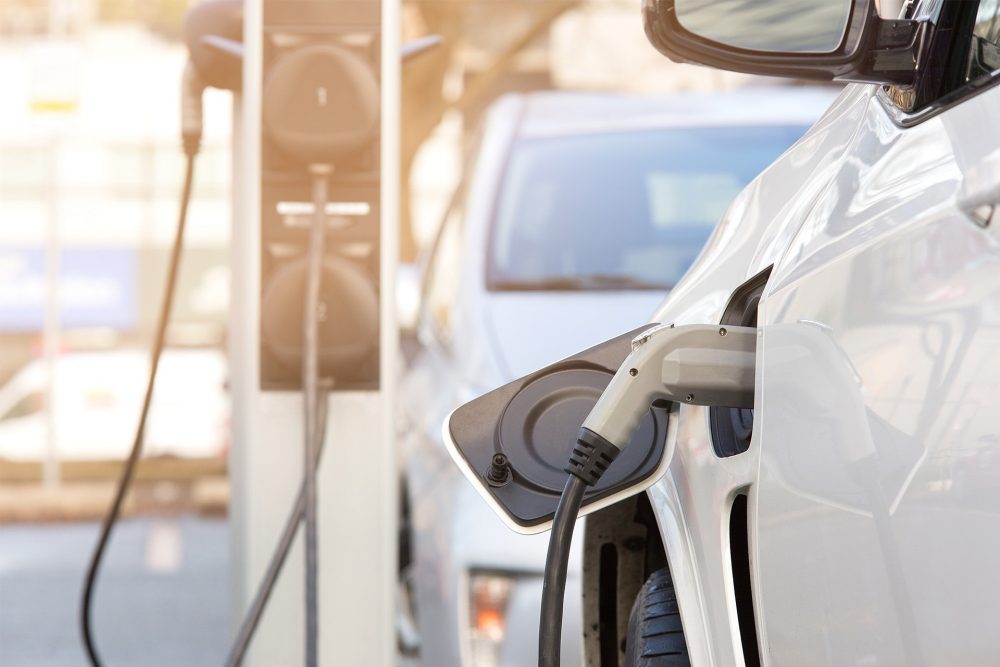
When it comes to EVs, batteries perform best between 20-30 degrees and lose efficiency in cold weather. Winter weather affects an EV’s charging speed, range, and efficiency. Low temperatures can affect charging as the battery needs to warm up first before it can charge at faster speeds, which can result in at-home charging taking an hour or longer, while rapid charging on the public network may also take an extra 15 minutes or so.
Plan extra time for charging and more frequent charging stops in winter weather.
Driving on ice and snow requires a different approach than driving on dry roads. Adapting your driving style to the conditions can greatly improve your safety and reduce the risk of accidents. Here are some techniques to help you drive safely:

Winter driving presents several unique challenges. Being aware of these dangers can help you prepare and respond appropriately.
The following tips can further enhance your safety while driving in winter conditions. Incorporating these practices into your routine can make a significant difference in your winter driving experience.
For more driving tips appropriate for the season, TTC Group has some useful resources.
Fatigue can be a greater risk in winter months, especially with shorter daylight hours. Experts warn that the very early hours of the morning and between 2 pm and 4 pm are when we are mostly likely to feel sleepy. Long, monotonous driving, particularly on motorways, also carries a higher risk than navigating through urban areas or country roads.
Experiencing heavy eyelids, frequent yawning, unintentionally veering onto the hard shoulder road marker, or feeling like your concentration is drifting, are all signs that drowsiness may be affecting you. Recognize these signs and plan breaks and rest periods during long trips to ensure that you stay alert.
Driving in winter conditions requires preparation, patience, and caution. By taking the necessary precautions and adjusting your driving habits, you can minimize the risks associated with winter driving. Remember, safety should always be your top priority. Keep these tips in mind, and you’ll be better equipped to handle whatever winter throws your way.
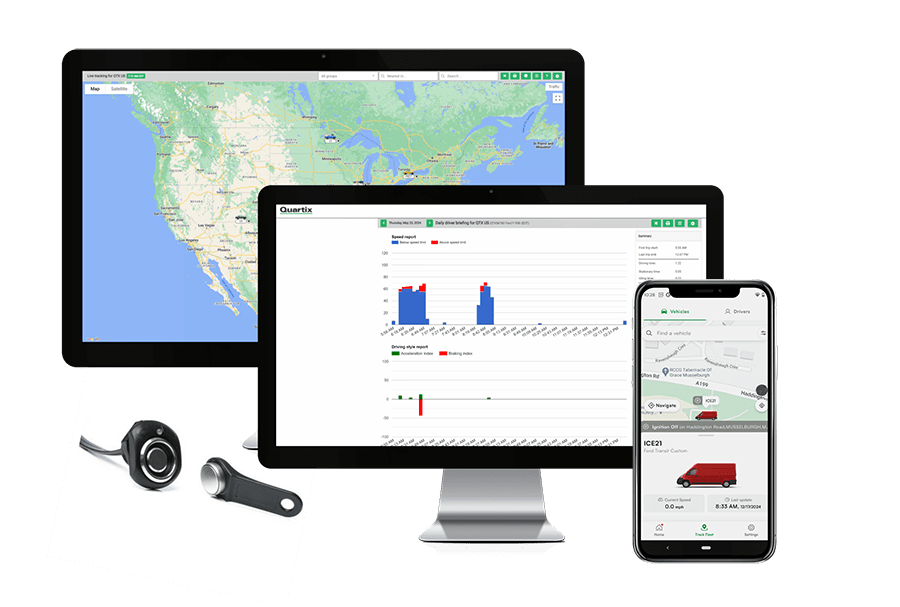
For a comprehensive vehicle tracking solution to keep your company drivers safe and connected all year round, check out our vehicle tracking system. Benefit from live tracking updates with traffic information, geofencing alerts and in-depth driver behavior analysis.
Safe travels!

We’ll help you decide which vehicle tracking option is right for you


Top-rated fleet tracking, zero setup fees. Limited time offer for new customers.
Get the discount