

Fleet Right-Sizing: Matching Fleet Utilization with Capacity
Right-size your fleet: Learn how to leverage telematics data to reach optimal fleet utilization. Reduce fleet vehicles, maintain fleet performance and slash your operational costs.
Right-size your fleet: Learn how to leverage telematics data to reach optimal fleet utilization. Reduce fleet vehicles, maintain fleet performance and slash your operational costs.
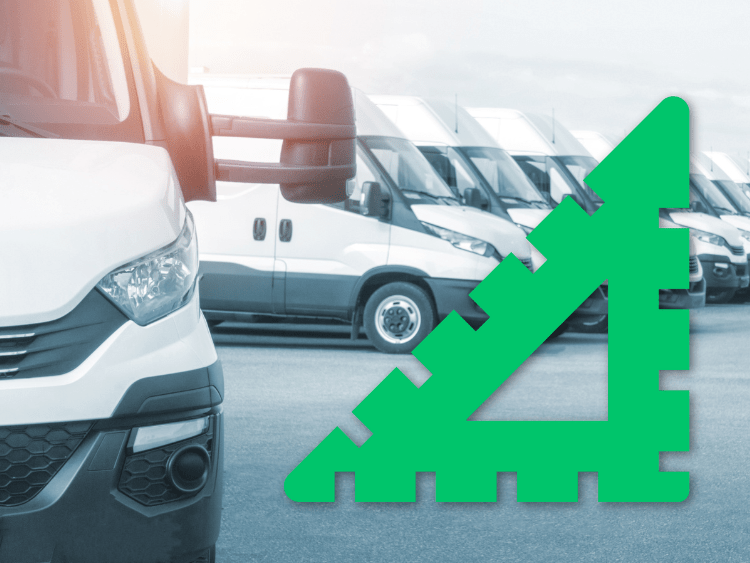
Fleet rightsizing is the process of determining the optimal number and type of vehicles your business needs to handle its typical workload. Many companies struggle to get this balance right, often leading to underutilized fleet assets and wasted budget.
By aligning fleet capacity with operational needs, businesses can avoid unnecessary costs and ensure they’re making the most of their resources.
Fleet rightsizing is a cornerstone of effective fleet management strategies, offering opportunities to save costs and enhance efficiency by optimizing fleet utilization.
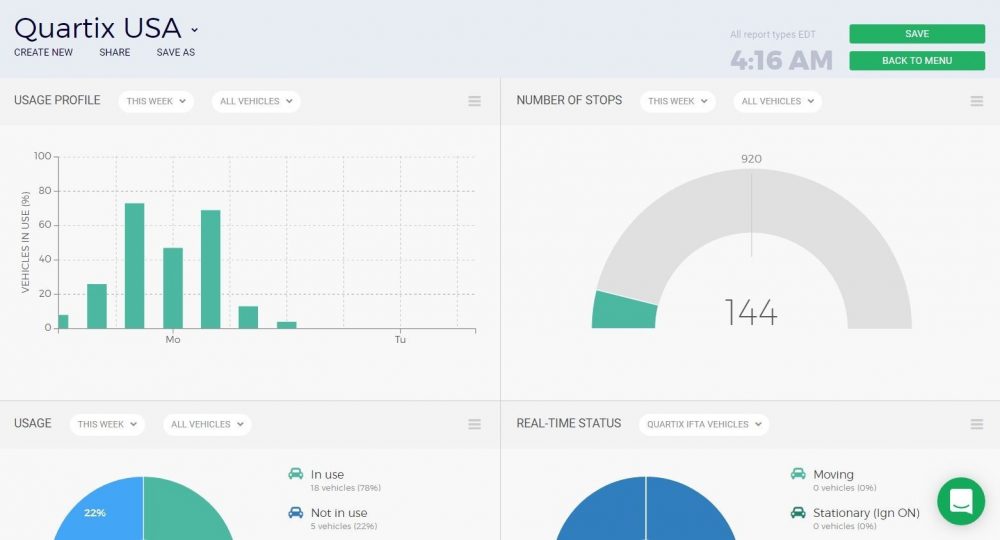
Using a telematics system, you can can gain valuable insights into vehicle usage patterns, helping you make informed decisions about your fleet size and composition. Telematics systems identify underutilized vehicles and operational inefficiencies, enabling you to:
This data-driven approach empowers you to make strategic adjustments, guiding decisions on which vehicles can be withdrawn from the fleet, to achieve cost savings and operational excellence simultaneously.
Transport Managers often have the responsibility of downsizing a fleet, ensuring that ground teams have all the necessary resources and that vehicles meet the required specifications.
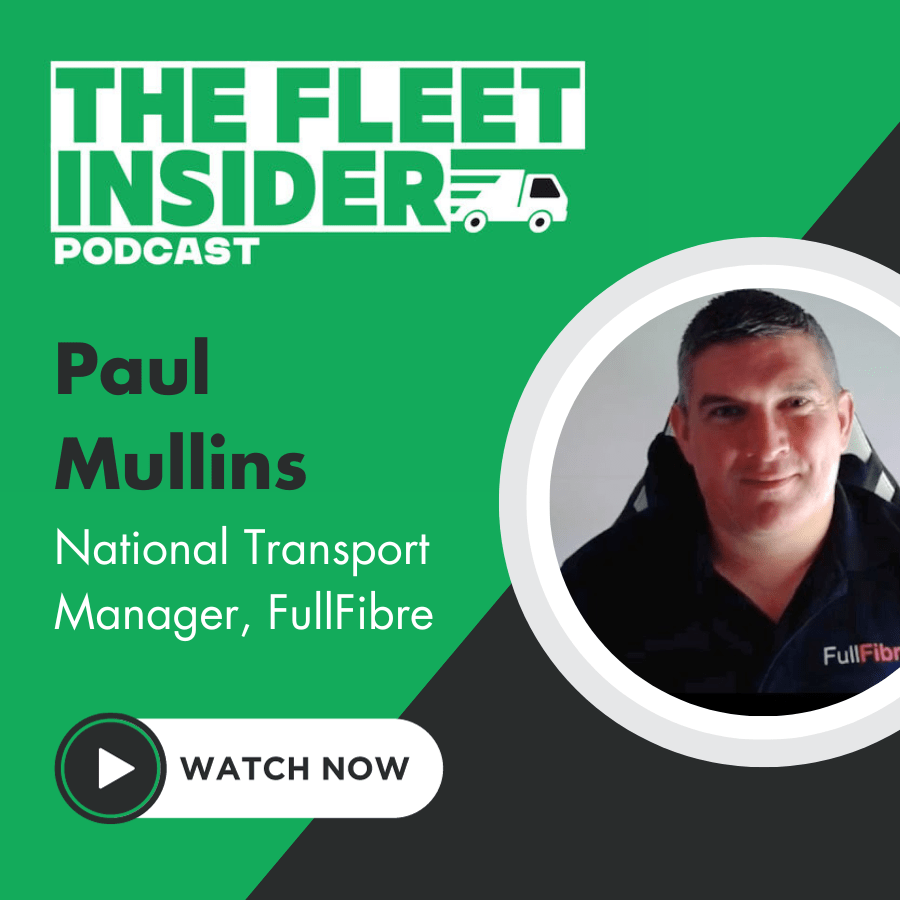
Stepping into a Transport Manager role at any large fleet invariably requires a comprehensive evaluation of vehicle utilization. National Transport Manager, Paul Mullins oversees the transport of critical infrastructure components for FullFibre’s nationwide expansion, and he has seen first-hand how efficient fleet utilization is key to managing costs effectively.
“Efficient vehicle utilisation is the bedrock of cost-effective fleet management. Regardless of whether you’re managing trucks or work vans, this is the best place to start.”
When Paul joined FullFibre, he immediately focused on fleet reduction to optimize costs. Using fleet data from his telematics system, he evaluated vehicle utilization and identified opportunities to streamline operations. He successfully reduced the FullFibre fleet to 95 vehicles, eliminating surplus vehicles while maintaining operational efficiency.
“Engaging with drivers and providing them with support is vital, and the safety of teams is crucial when carrying out work at heights, working late into the evenings or using dangerous equipment. Addressing these diverse needs while adhering to budget constraints is a key challenge,” says Paul.
Paul’s story highlights the critical role of fleet rightsizing in modern fleet management, particularly for large businesses managing diverse transportation needs.
Hear more insights from Paul in our Fleet Insider podcast episode.
A fleet tracking system is an indispensable tool for businesses looking to implement a fleet rightsizing strategy. It provides real-time data on vehicle performance, vehicle locations, and efficiency, helping you:
These insights help you make data-driven decisions, pin-point areas for cost reductions, improve fleet utilization, and enhance safety standards.
Implementing a successful fleet rightsizing strategy requires planning and a structured approach:
Telematics doesn’t just help you right-size your fleet – it ensures it stays efficient. Features like proactive maintenance alerts, trip logs, and driver behavior monitoring improve vehicle performance and safety, helping you maintain a streamlined and effective fleet. Key practices include:
Use digital vehicle inspections to identify defects before they escalate into costly issues. Ensure safety, compliance, and avoid costly breakdowns.
Plan MOT inspections, services and other maintenance to minimize fleet downtime and repair costs. Reminders can be set in your fleet tracking system for these service milestones.
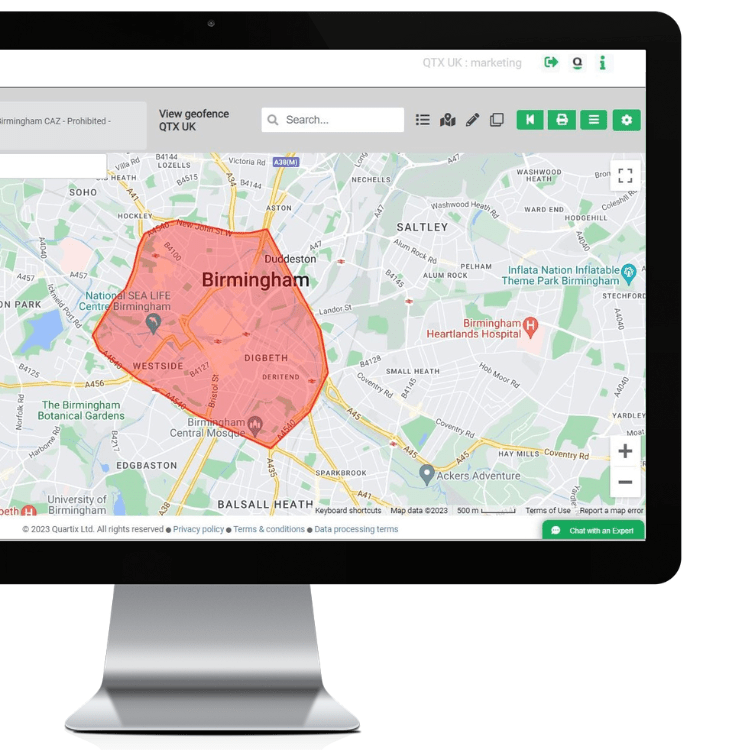
Monitor vehicle usage with trip reports and geofences to optimize routes, reduce non-essential mileage, and address unauthorized activity.
Improve safety and fuel efficiency by addressing speeding, idling, and harsh driving.
Prevent fatigue-related risks by ensuring compliance with rest and work-hour regulations.
Fleet rightsizing is the process of optimizing fleet size and composition to maximize efficiency and cost-effectiveness. It often involves strategically removing underutilized vehicles while still meeting operational demands.
Fleet rightsizing helps businesses save money, improve efficiency, and better align assets with operational needs.
Telematics systems provide real-time insights into vehicle usage, enabling data-driven decisions to reallocate resources and workloads, reduce costs and improve efficiency.
Telematics systems improve safety, enhance driver behavior, and provide actionable insights into vehicle usage for fleet optimization and cost savings.mp
A tracking system identifies underutilized vehicles by analyzing vehicle usage patterns, enabling strategic reductions in fleet size and associated costs.
Evaluate current fleet size and usage, identify inefficiencies, and leverage your telematics system to guide decisions on reducing vehicles. Regularly analyze your fleet profile, operational requirements, and telematics data to ensure ongoing optimization.
Quartix offers three types of vehicle tracking devices, all with slightly different installation processes, giving you the flexibility to choose which installation will suit your business.
The hardwired Quartix tracking device must be installed by a trained engineer. Although this is a quick process, it does require a small amount of vehicle downtime while our installers come on site to fix the devices into place.
If you would prefer a self-install option, Quartix has two easy-install devices that are a less permanent fixture and can be moved between vehicles at your convenience.
If you’re unhappy with your current fleet tracking provider – whether it’s due to poor customer service, limited features, or high pricing – you may feel that it’s time to switch to a new provider. The process is not as daunting as it might sound, and it can save your business money. A more competitive market means better pricing options are available, allowing you to reduce costs while improving quality.
In addition to better pricing, other providers may offer additional features like driver ID and driver behavior monitoring. These create further savings by reducing fuel consumption, preventing accidents, and improving operational efficiency.
Making the switch can address any frustrations you have with your current provider and improve your business’ bottom line.
Find out more in our guide to making the switch to a new fleet tracking provider hassle-free.
Fleet rightsizing is more than a strategy; it’s a vital step for businesses seeking to reduce costs. With the help of this guide, you can review and implement a fleet rightsizing strategy for your business today.
If you would like any advice, reach out to our fleet tracking experts to discuss how Quartix can help you optimize your fleet operations.
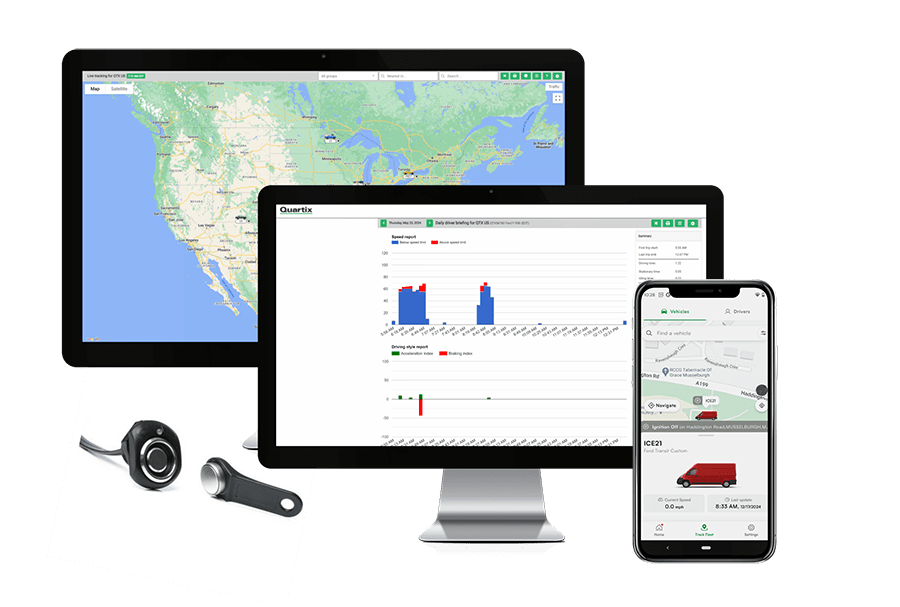

We’ll help you decide which vehicle tracking option is right for you


Top-rated fleet tracking, zero setup fees. Limited time offer for new customers.
Get the discount