

Fleet costs on the rise? Your telematics data can help
Are rising fleet costs quietly eroding your budget? Here’s how your fleet tracking data can help you find the leaks and fix them.


Are rising fleet costs quietly eroding your budget? Here’s how your fleet tracking data can help you find the leaks and fix them.
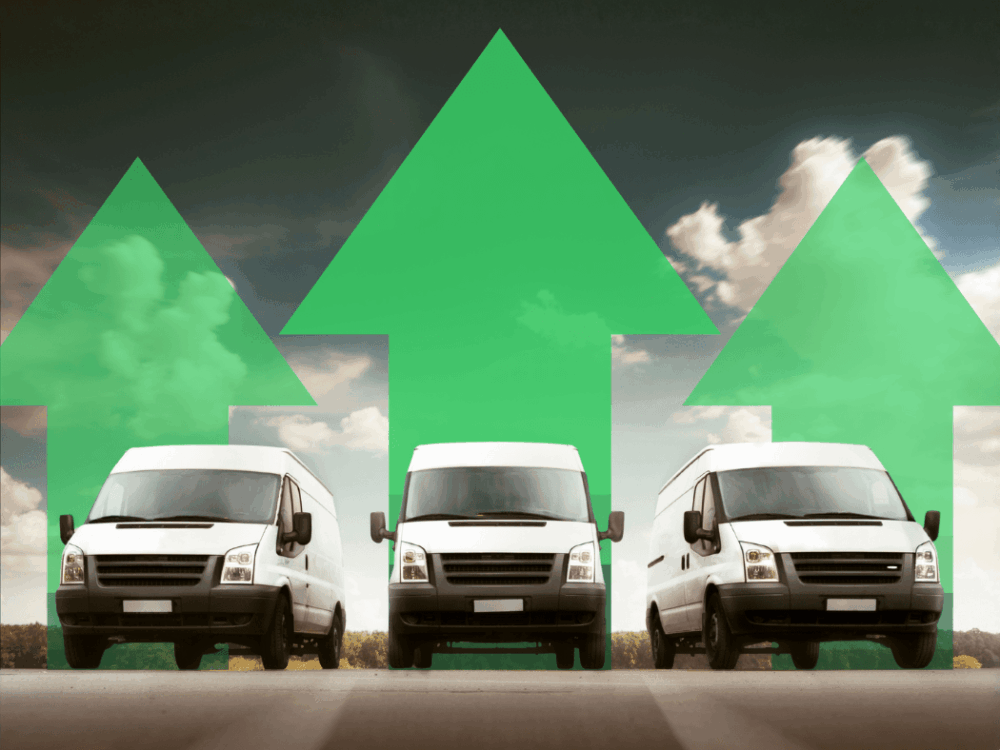
Right now, fleet budgets are under pressure from every direction. Vehicle costs are rising. Ownership models are shifting. Fuel prices are rocketing. But many of the margin losses your business is experiencing are the result of an accumulation of small, invisible inefficiencies and events.
Telematics data can help you reverse that trend and act as a strategic lever for recovering costs. Here’s a three-step process to help you understand where to look first.
The first step to recovering margin is understanding exactly where it’s going. Telematics brings visibility to these significant cost drivers in your fleet:
Self-reported mileage figures are one of the most common sources of undetected cost in mixed-use fleets. Without verification, there’s no reliable way for you to separate legitimate business journeys from personal use, and the grey areas add up.
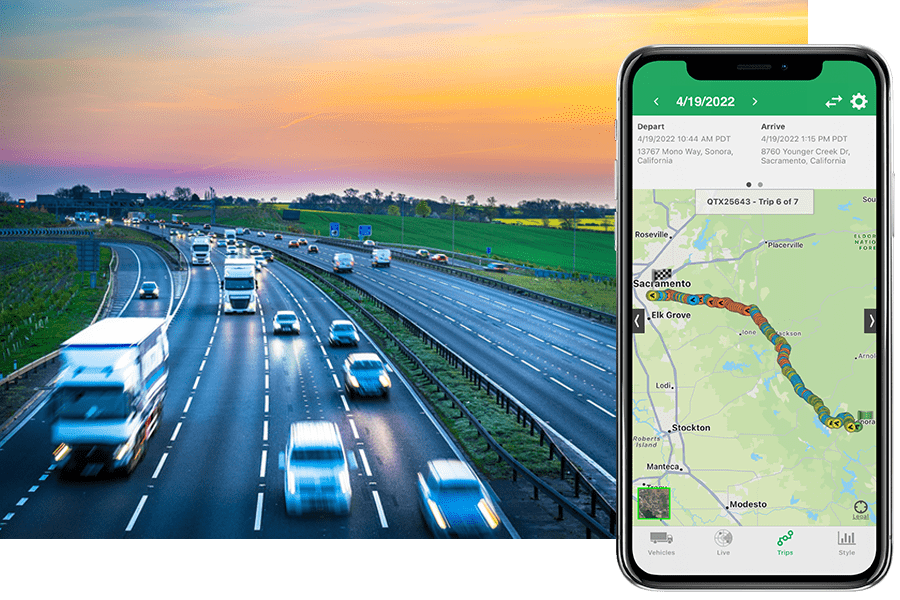
GPS-verified journey logging removes your reliance on driver-reported data entirely. Every trip is automatically categorized, timestamped, and audited, with no additional admin burden on either side. The result is a mileage record you can trust and defend.
See how to track business vs personal mileage >
Fuel remains one of the largest and most volatile costs in fleet operations, especially in the current climate. While prices are outside your control, driving behavior and vehicle use isn’t.
Telematics data identifies the journeys that don’t need to happen, the routes that waste fuel, and the driving styles that quietly inflate fuel consumption, such as harsh acceleration, excessive idling, late braking. Even modest improvements across a business fleet deliver can measurable savings at scale.
Calculate your potential fuel savings >
Driver behavior data is only useful if it drives change. Surface habits like harsh braking, excess idling, and inefficient routing, and use those insights to coach and engage your drivers.
How Quartix calculates driver behavior scores >
Quartix’s driver behavior scoring and gamification tools encourage improvements over time. Drivers respond to feedback best when it’s objective, consistent, and tied to clear benchmarks and outcomes.
Gamify driving score improvements within your team >
Insurers price risk based on evidence. A documented record of safe driving behavior, through continuous GPS data in vehicles, low incident frequency and consistent compliance, makes a compelling case for premium reductions. If you can demonstrate how your fleet operates, you are in a far stronger position.
Making savings isn’t just about reducing day-to-day costs. Your telematics system can also help you avoid the larger, unpredictable expenses that can destabilise your budget.
When a claim is made against one of your drivers, the outcome, and the speed and cost of resolution depends heavily on the quality of your evidence. Without GPS data, disputed claims take longer, cost more, and often result in unwarranted pay-outs.
With tracking data, exoneration is simpler, faster, and the insurance impact is contained.
See how fleet tracking protects your drivers >
In addition to more successful claim resolution, the presence of tracking changes your team’s driving behavior. Drivers who know they are being tracked drive more carefully, reducing the frequency of incidents, as well as managing their aftermath. Protection and prevention work together – fewer incidents means fewer claims, lower premiums, and less downtime.
Unplanned vehicle downtime can be a disruptive cost in fleet operations. A vehicle off the road unexpectedly impacts scheduling and creates a ripple effect that’s difficult to quantify.
Catching defects early limits that downtime and prevents costly issues from deteriorating. Daily vehicle checks can be integrated with your tracking system to help surface issues before they become failures, and to build an audited inspection record that supports your business compliance.
See the Quartix Check vehicle inspections app >
The third step of fleet margin recovery is strategic: using your telematics data to inform future decisions. Here’s where to focus:
Underutilized vehicles commonly drain fleet budgets but can be difficult to identify. A vehicle that’s owned, taxed, insured, and maintained but sits idle for a large part of the week represents wasted capital.
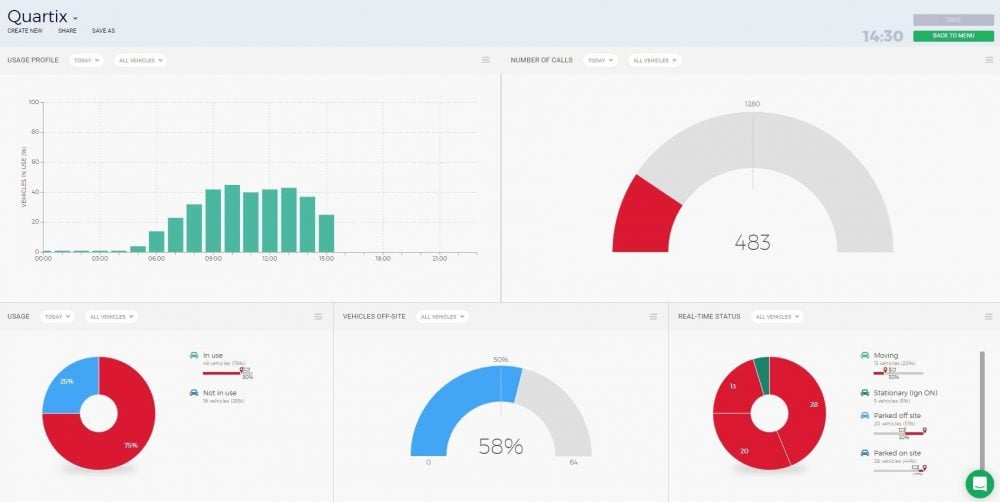
Telematics exposes utilization patterns across your vehicles, identifying which are consistently underused and which are under pressure. That evidence supports fleet rightsizing decisions: whether to reduce asset numbers, combine vehicle shifts, replace underperforming assets with more flexible alternatives, or time an EV transition based on actual duty cycles rather than assumptions.
How to right-size your fleet >
Beyond utilization, your fleet tracking system can surface a broader picture: route inefficiencies, daily working hours, maintenance patterns, job allocation gaps. Decisions such as procurement, scheduling, and cost forecasting, can be grounded in your telematics data – even if your teams spend little time on the road. Over time, this data-led approach compounds, and your business becomes progressively more cost-efficient as a result.
How telematics helps with planning and job forecasting >
Odometer fraud in the used vehicle market is a documented and persistent risk. Fleets acquiring vehicles with inflated mileage records pay over the odds for assets that under-perform or depreciate faster than expected. Telematics builds a continuous, tamper-proof mileage record across the life of each vehicle. That record provides independent verification when selling fleet assets, via a credible, auditable history that supports a stronger resale position, and an additional layer of scrutiny when acquiring vehicles that have been previously tracked.
Learn about mileage reporting >
When a vehicle finishes its main delivery, the return journey often turns into a cost sink – burning fuel with no added value. Backhaul jobs flip this script. A “backhaul” is simply a load picked up on the way back, turning what would have been wasted mileage into revenue. For a single-van courier, it might mean earning an extra $300 on the ride home; for trucks or larger fleets, it can add thousands to the bottom line every week.
See how GPS fleet tracking helps you secure more backhaul jobs >
On 6th May, we’ll be joining the Fleet World panel alongside Drax Group and Europcar to explore how rising costs and hidden inefficiencies are putting fleet margins under pressure, and the practical, data-led strategies that can address them.
Date: 6th May 2026
Time: 10:30–11:30 BST
Format: Online, free to attend
Using flexible, data-led mobility solutions to recover fleet margins.
Save your spot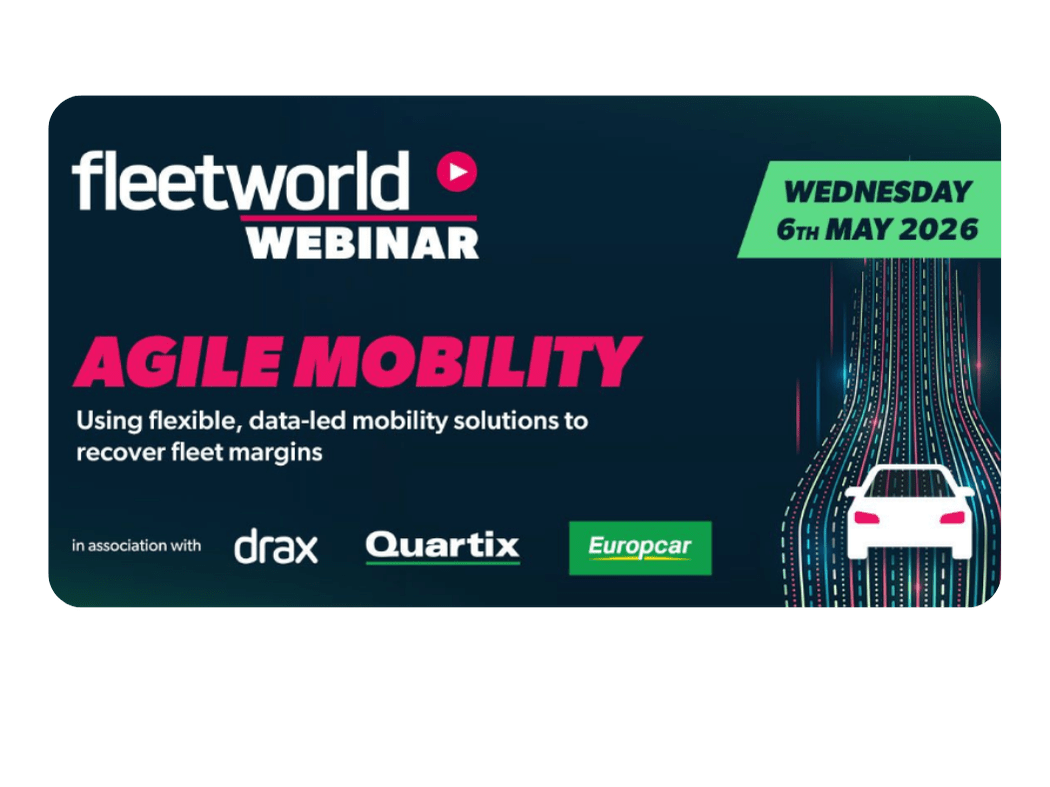

We’ll help you decide which vehicle tracking option is right for you
Top-rated fleet tracking, zero setup fees. Limited time offer for new customers.
Get the discount