

The true costs of engine idling in 2026
Unnecessary engine idling wastes fuel, increases operating costs and adds avoidable emissions. Here’s what excessive idling can cost your fleet in 2026 and how vehicle tracking can help reduce it.
Unnecessary engine idling wastes fuel, increases operating costs and adds avoidable emissions. Here’s what excessive idling can cost your fleet in 2026 and how vehicle tracking can help reduce it.
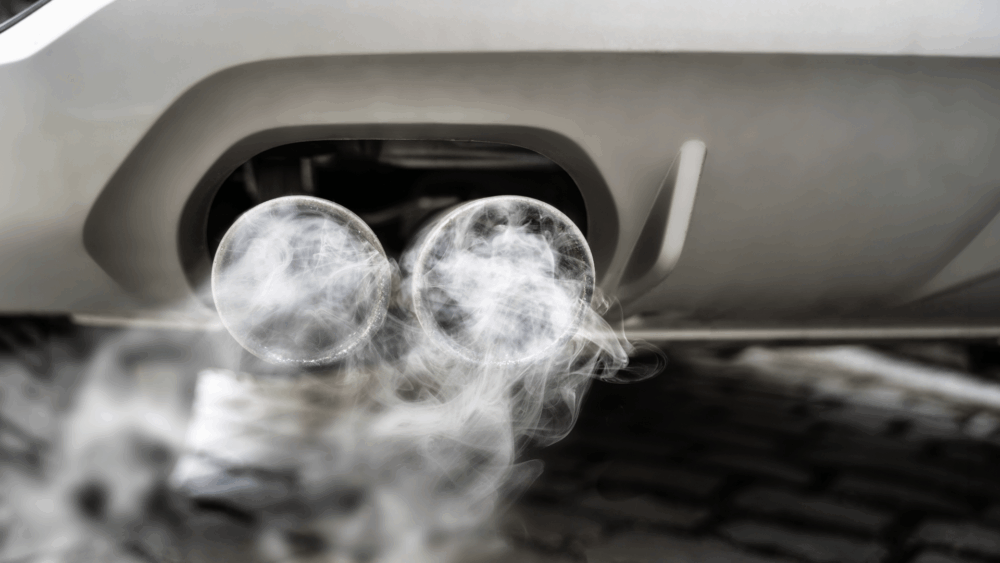

If you manage a fleet, some engine idling is unavoidable. Traffic, safety requirements, equipment operation and extreme weather can all require a vehicle to remain running.
But unnecessary idling is different. When a vehicle sits stationary with its engine running for no operational reason, it continues to burn fuel and accumulate engine hours without completing any additional work.
Across a fleet, those minutes can quickly add up.
The U.S. Department of Energy estimates that vehicles typically consume around 0.25 to 1 gallon of fuel per hour while idling, depending on vehicle type, engine size and operating conditions.
Fuel prices make that increasingly important. As of August 24, 2026, the U.S. Energy Information Administration reported average national prices of $4.085 per gallon for regular gasoline and $5.652 per gallon for on-highway diesel.
Idling can also be a significant drain on a company’s bottom line from lost productivity, as drivers and vehicles burn through fuel with no accompanying income to balance that expenditure. Companies looking to improve their bottom line would do well to take a closer look at their idling practices and find ways to reduce or eliminate them.
Idling may seem harmless because the vehicle isn’t moving, but the engine is still consuming fuel.
The Department of Energy estimates that passenger vehicles, light-duty trucks and medium- and heavy-duty vehicles in the U.S. consume more than 6 billion gallons of fuel each year while idling.
For businesses operating multiple vehicles, even small reductions in unnecessary idle time can therefore produce meaningful savings.
At 2026 average fuel prices, one hour of idling can cost approximately:
• $1.02 to $4.09 in gasoline
• $1.41 to $5.65 in diesel
The exact amount depends on the vehicle and how much fuel it consumes while stationary.
For example, imagine a 50-vehicle gasoline fleet where each vehicle unnecessarily idles for 30 minutes per working day.
Using the low end of the Department of Energy’s estimate (0.25 gallon per idle hour) and 250 working days per year, the fleet would waste about 1,563 gallons of fuel annually.
At an average gasoline price of $4.085 per gallon, that is around $6,380 a year in wasted fuel.
For larger diesel vehicles with higher idle fuel consumption, the cost can be considerably greater.
Idling can also increase engine use without increasing productive mileage, potentially contributing to additional maintenance and shortening service intervals.
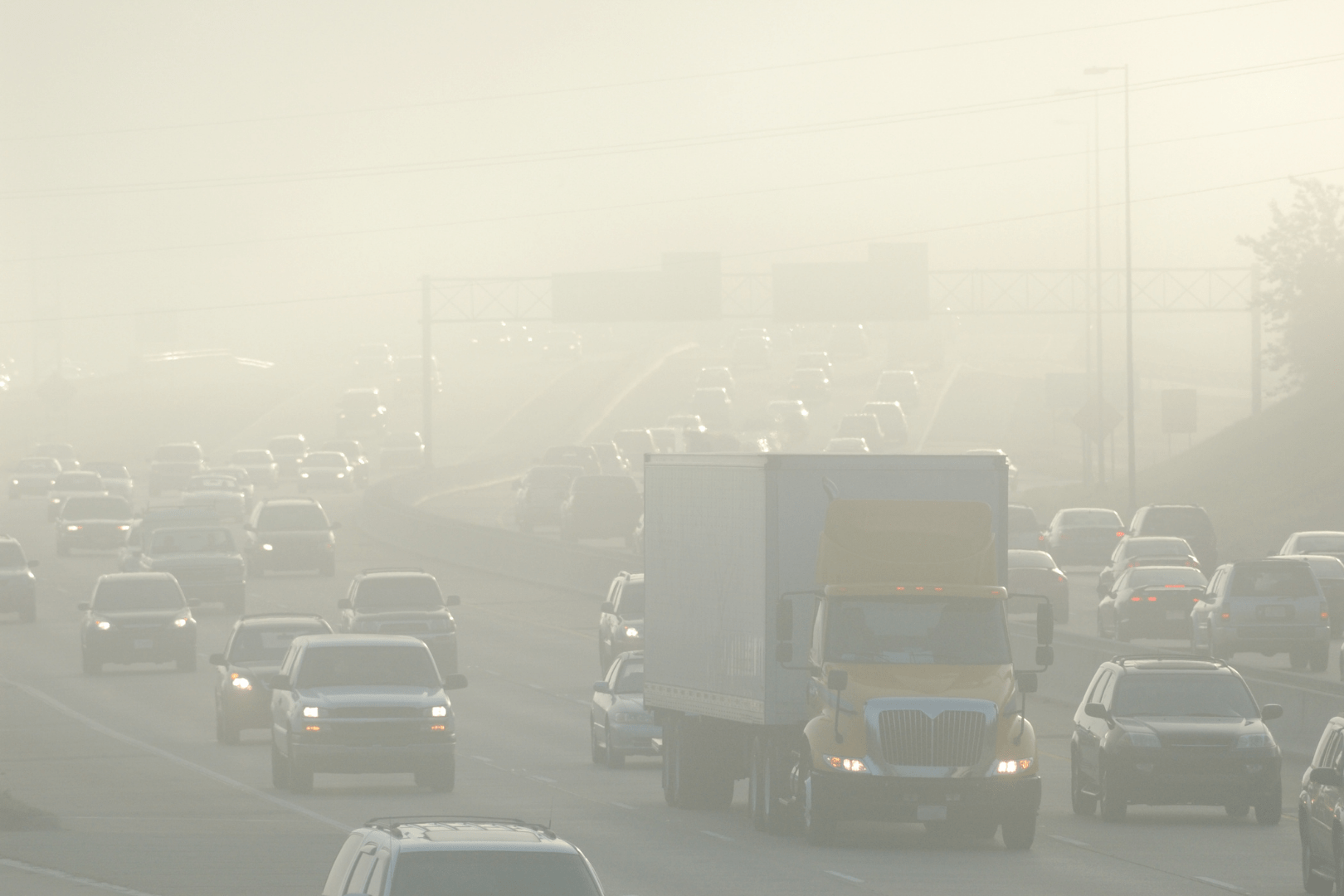
Unnecessary idling also creates avoidable emissions.
According to the U.S. Environmental Protection Agency, burning one gallon of gasoline produces approximately 19.59 pounds of CO₂, while one gallon of diesel produces around 22.44 pounds of CO₂.
In our 50-vehicle example, wasting 1,563 gallons of gasoline through unnecessary idling would produce roughly 30,600 pounds of CO₂, or about 13.9 metric tons.
Reducing idle time therefore offers fleets a straightforward way to lower both fuel consumption and their environmental impact.
Advice around idling is often inconsistent.
For modern light-duty vehicles, U.S. Department of Energy guidance states that idling for more than around 10 seconds can use more fuel than stopping and restarting the engine.
That doesn’t mean drivers should switch engines off in every situation. Traffic conditions, safety, vehicle manufacturer guidance, operational requirements and extreme weather should always be taken into account.
For fleet managers, the goal should be to distinguish between necessary operational idling and avoidable idling.
There is no nationwide anti-idling rule in the United States.
Instead, regulations vary by state, county and municipality, with different limits and exemptions depending on vehicle type, weather conditions and operational requirements.
Fleet managers should therefore check the rules that apply in the areas where their vehicles operate and make sure drivers understand any local restrictions.
A few practical changes can make a noticeable difference:
• Switch off during unnecessary stationary periods when it is safe and appropriate.
• Avoid unnecessarily long engine warm-ups and follow manufacturer guidance.
• Use automatic stop-start systems where available.
• Plan routes and schedules to reduce avoidable waiting and congestion.
• Create a clear company idling policy so drivers understand when engines should be switched off.
• Use fleet data to identify repeated or unusually long idle events and provide targeted driver coaching.
Without reliable data, it can be difficult to know how much unnecessary idling is happening across your fleet.
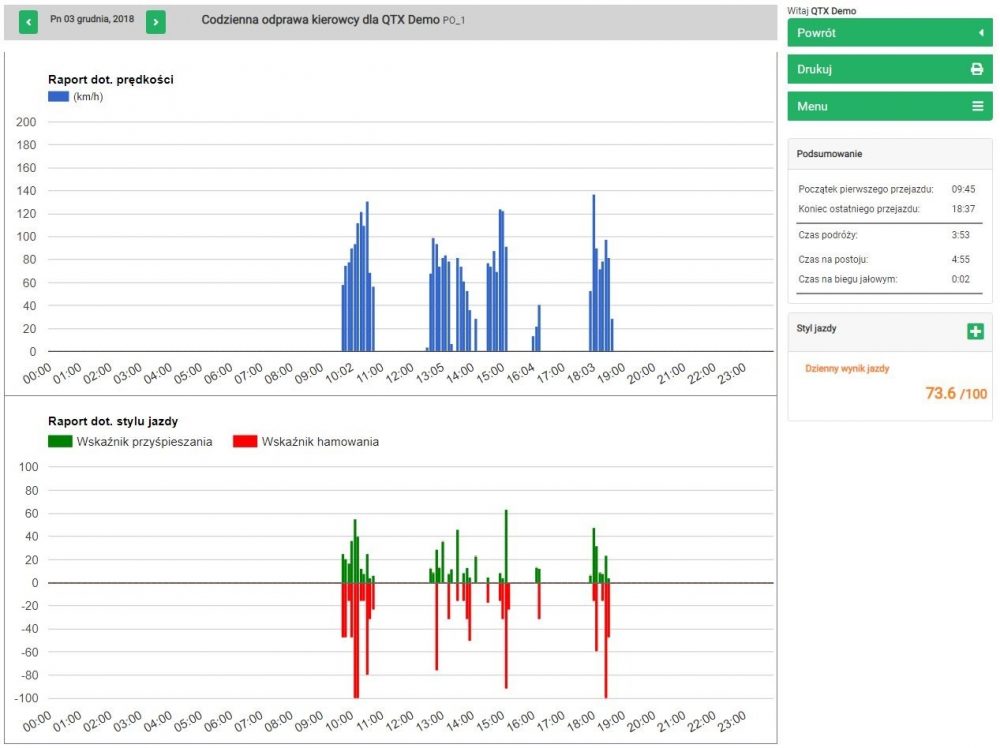
A vehicle tracking system can show when vehicles are left idling and help managers identify recurring patterns.
It can also provide useful insights into:
“We use Quartix to measure driver performance, MPG and carbon emissions alongside accident statistics, maintenance costs and insurance claims. These KPIs give us a complete picture of the overall progress and show just how much of a difference the project is making. We’ve upskilled our drivers and improved their wellbeing, reduced costs and improved our carbon efficiency – and got a far better handle on our operations in the process.” – Scott Logan, W J Roadmarkings
This gives fleet managers the information needed to identify unnecessary costs, coach drivers and measure improvement over time.
Engine idling may happen a few minutes at a time, but across dozens or hundreds of vehicles those minutes can become thousands of dollars in unnecessary fuel costs each year.
By monitoring idle time and encouraging better driving habits, businesses can reduce fuel waste, lower emissions and improve overall fleet efficiency.
Ready to see how much time your fleet spends idling? Book a demo with Quartix and discover where your fleet could reduce fuel waste and operating costs.

We’ll help you decide which vehicle tracking option is right for you


Top-rated fleet tracking, zero setup fees. Limited time offer for new customers.
Get the discount