Winter driving safety: A practical guide for businesses with company vehicles
An actionable guide to reducing snow and ice risks, avoiding downtime, and improving fleet operations.
An actionable guide to reducing snow and ice risks, avoiding downtime, and improving fleet operations.
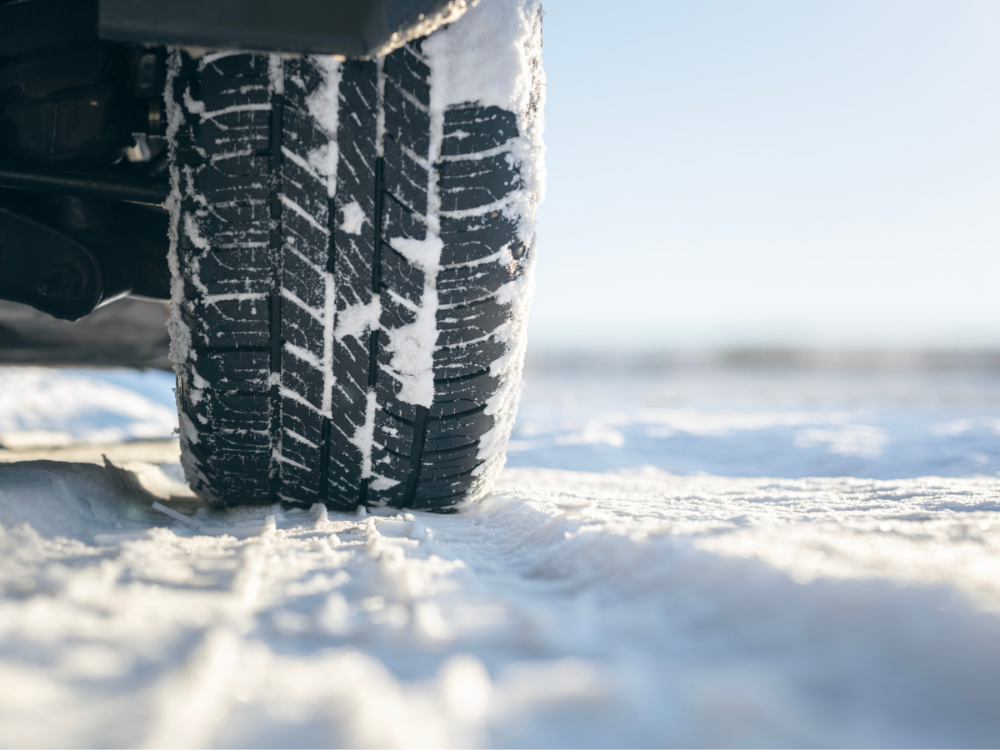
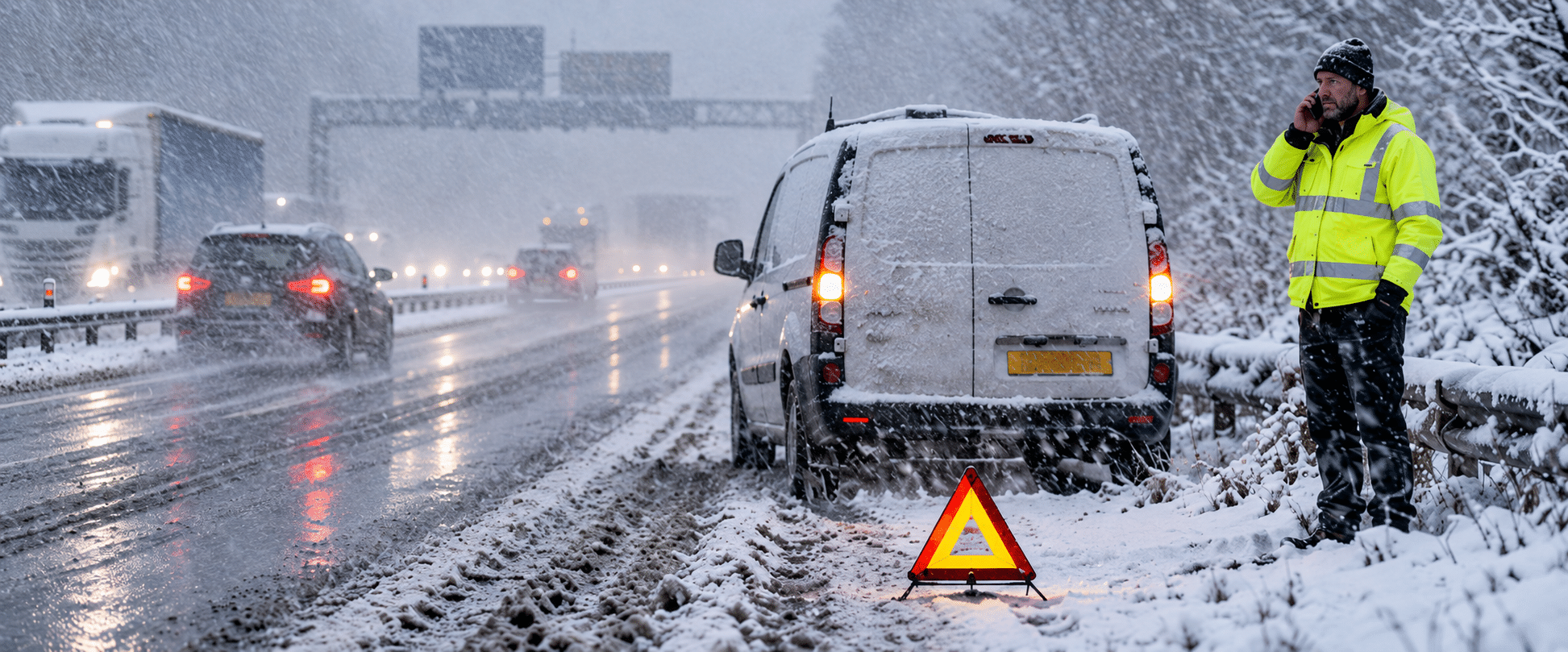
Snow, freezing rain, black ice, and sudden road closures can turn a routine service call into a costly delay. For businesses that rely on company vehicles, one collision or breakdown may mean missed jobs, vehicle repairs, insurance paperwork, and a driver who cannot safely complete the day.
Winter fleet safety works best as one repeatable process: prepare vehicles, make safer decisions on the road, and learn from the data afterward.
This guide covers practical winter driving advice for company drivers, plus a straightforward winter fleet safety programme you can implement, supported by vehicle tracking tools, and vehicle safety checks.
Slippery pavement makes stopping and steering less predictable, while poor visibility and slower traffic put pressure on schedules. The goal is not simply to keep vehicles moving: it is to protect drivers and customers while keeping the business running wherever conditions allow.
For a smaller business, one breakdown or collision can mean:
• Check weather and roads. Review National Weather Service alerts and your state DOT’s 511 road-condition service before dispatching vehicles. Make room for detours, delayed arrivals, or canceled nonessential trips. Local tire-chain and winter equipment rules vary by state and route.
• Use one practical vehicle check daily.
◦ Inspect tire condition and pressure
◦ Lights (dipped headlights, indicators, brake and fog)
◦ Wipers
◦ Windshield washer fluid
◦ Defrosters
◦ Fluid levels
◦ Any brake with unusual noise, vibration or pulling
◦ Remove snow and ice from windows and lights
◦ Flag defects before assigning the vehicle
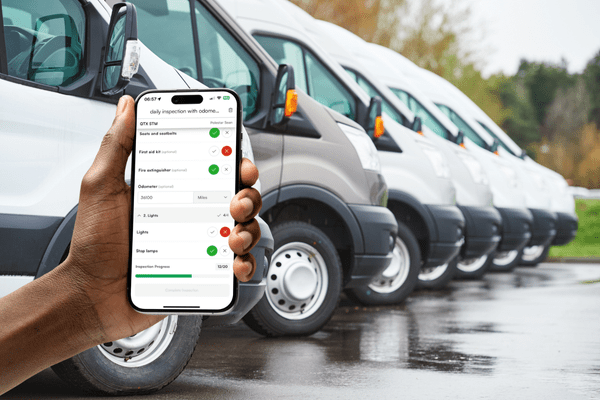
◦ Use digital vehicle safety checks to make checks easy, consistent, and properly recorded.
• Equip drivers for delays.
◦ Include a scraper and snow brush
◦ Warm clothing or a blanket
◦ Flashlight
◦ Phone charger
◦ Water
◦ Snacks
◦ First-aid supplies
◦ Small shovel or traction material where appropriate.
◦ Keep fuel or EV charge sufficient for unexpected delays; cold weather can reduce EV range.
• Improve driving safety during the Winter season: Add buffer time for journeys, avoid back-to-back jobs that leave no margin, treat rural “shortcuts” with caution and plan around known risk zones (steep hills, exposed roads).
Use vehicle trackers and driver behaviour insights to spot risk patterns and coach drivers early.
Also give drivers authority to delay or stop a trip when conditions are unsafe, without pressure to make up lost time. Assign one contact for updates and customer rescheduling.
• Use tools to reduce risk and resolve incidents quickly. Such as telematics, dashcams, and documented safety checks
If you’ve ever had a “I didn’t notice” conversation after a breakdown, digital vehicle checks help. With our digital vehicle safety checks app, Quartix Check, drivers can complete and submit inspections quickly, report defects, and create an audit trail – useful for maintenance planning and duty of care documentation.
• Slow down and leave more space. Braking distances increase on slick roads, use 4–6 seconds following distance in wet conditions and 10 seconds in icy conditions. Allow more room than usual and avoid cruise control when traction is poor.
• Drive smoothly. Accelerate, steer, and brake gently (“squeeze, don’t stamp”). Slow before turns rather than braking hard mid-corner.
• Expect hidden ice. Bridges, overpasses, shaded roads, and spots near freezing may become slippery before nearby pavement.
• Keep visibility clear. Use dipped headlights in poor visibility and fog lights only when visibility is severely reduced, clear every window and camera, and never drive with an obstructed windshield.
• Respect road restrictions. Follow official closures and chain or traction requirements, and give snowplows room to work.

Drivers should stop in a safe location, notify dispatch, and follow the company emergency procedure. If a vehicle is stranded, follow local emergency guidance; in severe snow, NHTSA advises staying with the vehicle when it is safer than attempting to walk out. Call 911 for emergencies.
When safe, record what happened, the road and weather conditions, damage, and witness details. If the fleet already uses third-party dashcams, retain relevant footage under the company’s privacy and incident policies. Never ask drivers to collect evidence in an unsafe location.
Build vehicle checks into daily operations, create an audit trail, and reduce missed defects. Winter breakdowns often come down to avoidable issues: tyres, lights, wipers, fluids.
Set reminders for service appointments, insurance renewals, and vehicle inspection deadlines. For a documented inspection workflow, the Quartix Check vehicle inspection app can capture checklists, defects, and photos. Apply any DOT/FMCSA inspection and recordkeeping requirements that are relevant to your vehicles; an app does not replace legal compliance.
In few words:
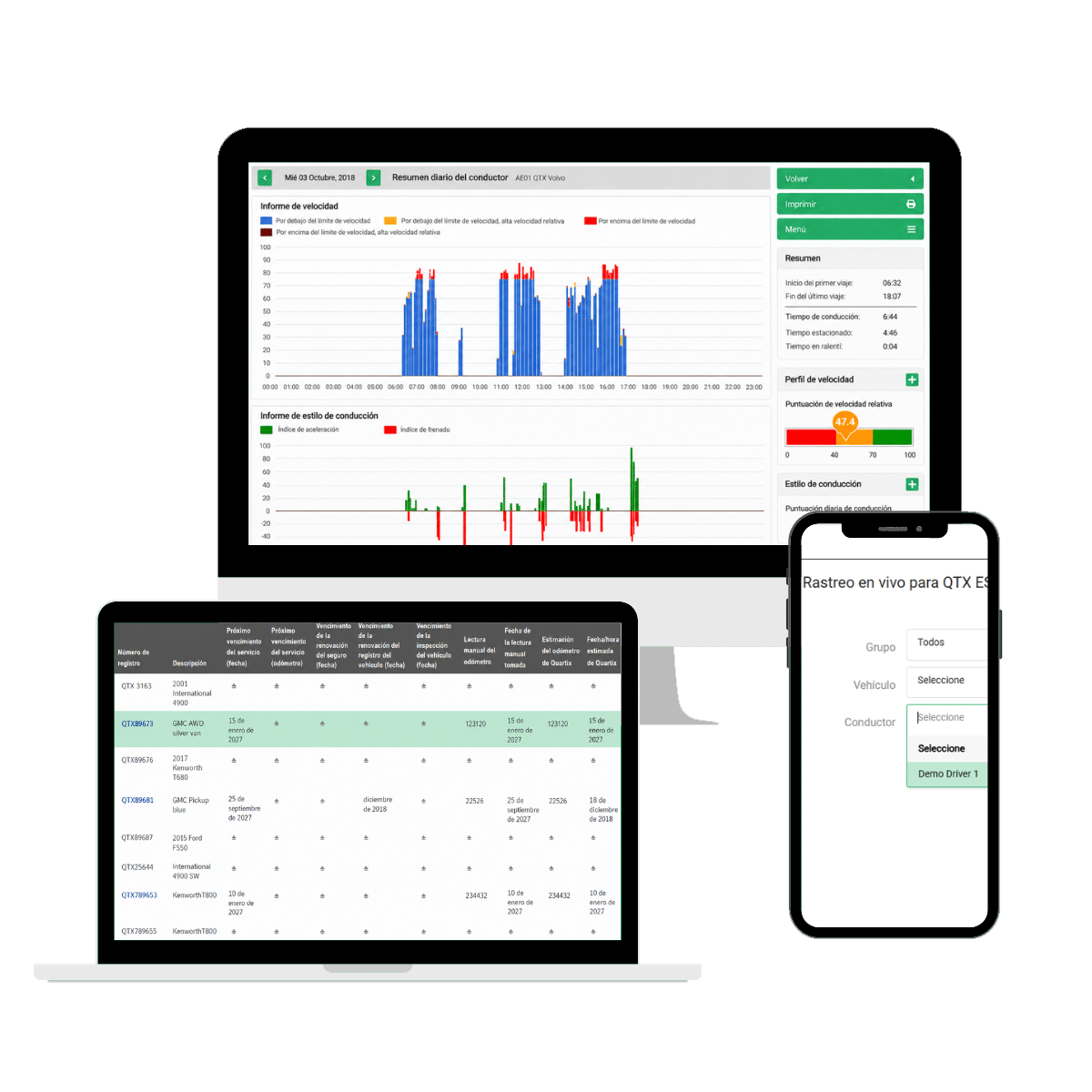
Show where vehicles are and how journeys progressed. Combine this with timesheets, time-on-site information, and scheduled reports to spot repeated delays and build more realistic winter arrival windows. The Quartix mobile app keeps that visibility available away from the office.
Quartix driver behavior reports help managers review speed, harsh braking, and acceleration patterns. Use trends for supportive coaching, while remembering that vehicle data alone does not measure ice, visibility, or every reason for a sudden maneuver.
Geofencing alerts can notify managers when a vehicle enters or leaves a defined location or restricted zone. Optional Driver ID helps connect trips and driving information to individual employees when vehicles are shared. Geofences are fleet-management rules, not automatic weather or road-closure alerts.
No matter how many company vehicles you manage, track these basic safety indicators:
Quartix reporting can help you track these trends and focus support where it matters.
Review a small set of measures each week: harsh braking and speeding trends, vehicle defects and repair turnaround, missed appointments, and average travel time by route. Compare results over time, coach drivers fairly, and adjust maintenance plans or schedules. The long-term benefit is a more predictable, better-documented fleet operation, not a promise that winter incidents can be eliminated.
Do I need a winter driving policy if I only have a few vans?
Yes. A one-page policy sets expectations, supports duty of care, and gives drivers clarity – especially when conditions change quickly.
What’s the biggest cause of winter collisions?
Reduced grip plus time pressure. When drivers rush in poor conditions, harsh braking and loss-of-control incidents become more likely.
How can telematics improve winter safety?
Telematics helps you stay in touch with your teams whereabouts, spot risk patterns early, improve route planning, and support driver coaching using objective data.
How do digital vehicle checks help?
They make daily checks consistent and recorded, reduce missed defects, and help demonstrate a proactive approach to vehicle safety.
Winter driving safety avoids accidents, keeps your vehicles on the road, and protects your team.
Quartix gives you the tools to run a safer winter operation. If you want to strengthen your fleet safety programme, speak to our team to see how we can help you today.

We’ll help you decide which vehicle tracking option is right for you


Top-rated fleet tracking, zero setup fees. Limited time offer for new customers.
Get the discount