Continue

What the new National Road Safety Strategy means for businesses with company vehicles

The Government has published a new National Road Safety Strategy, with targets to reduce the number of people killed or seriously injured on GB roads by 65% by 2035. Find out what’s in the new strategy and how it affects your fleet.

Published 13 January 2026

See our fleet tracking system

Book a Demo
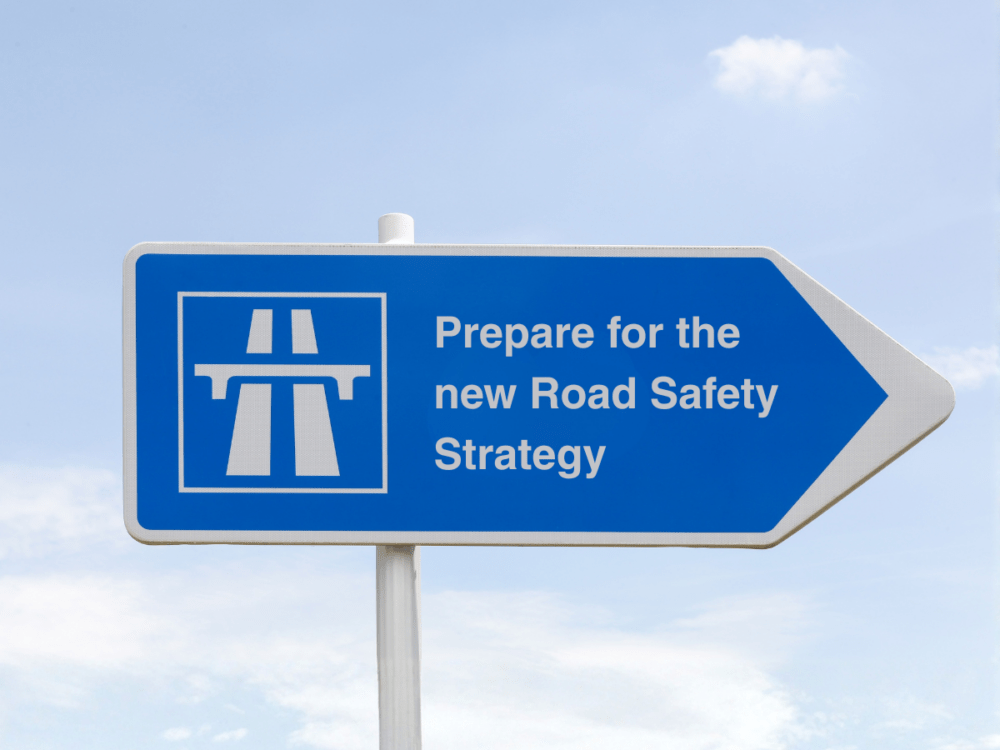
Blue road sign with a motorway symbol and the text "Prepare for the new Road Safety Strategy" against a blue sky background.

The Government has published a new National Road Safety Strategy, and for businesses operating company vehicles it marks an important moment. National road safety policy increasingly influences insurance expectations, vehicle standards, and the duty of care placed on employers.

The ambition of the strategy is significant: to reduce the number of people killed or seriously injured (KSI) on Great Britain’s roads by 65% by 2035, with an even higher target of 70% for children under 16. Better systems, better regulation, and better support are expected to save thousands of lives over the coming decade.

If your business operates company vehicles, the new strategy affects how you manage risk, drivers, and vehicles, especially if driving is part of someone’s job. Here’s how to prepare for stricter regulations for all company vehicles.

Our partners at Driving for Better Business are supporting the Department for Transport with a pilot for a new work-related road safety charter that will have big implications for employers. It suggests you may soon see:

  • more formal expectations for how you manage driving risk
  • clearer standards for good practice
  • more emphasis on demonstrating duty of care consistently

If you already treat driving for work as a major operational risk, the strategy reinforces that you’re right to do so.

What’s in the new Road Safety Strategy?

The Government’s new Road Safety Strategy outlines several consultations that could affect you directly, not only through legislation, but through what clients, insurers, and regulators increasingly expect you to have in place.

The areas highlighted include:

  • a minimum learning period for new drivers
  • mandatory eye tests for drivers over 70
  • a review of motoring offences, including lower drink-drive limits and tougher penalties for unlicensed or uninsured driving
  • additional safety technology in new cars
  • reforms to motorcycle training, testing and licensing

Even if not every measure applies specifically to your company fleet, they can still influence your responsibilities when staff drive company vehicles, pool cars, or their own vehicles for work.

The strategy also includes a commitment to a Road Safety Investigation Branch, intended to bring together data and investigate patterns that can drive improvements. Over time, you can expect more emphasis on evidence and learning, and potentially on how organisations respond to incidents, so it’s crucial to stay informed.

Fleet News noted that the strategy zeroes in on drink-driving and older drivers. For employers, that raises real questions, because it touches on fairness and inclusion, compliance, and where their responsibility ends and the driver’s begins. Strong risk management, built on clear standards, consistent processes, and supportive coaching is needed.

Practical steps you can take now

You don’t need to wait for consultations to conclude to start making progress. Here are practical actions you can take now that align with the direction of the strategy:

1. Make sure your Driving for Work Policy matches your business reality

If your policy doesn’t reflect real schedules, call-outs, and delivery pressures, it won’t be followed. A good policy is clear, workable, and reinforced by managers.

Find out how your vehicle tracking system can support and inform a company speeding policy in this guide.

Driving for Better Business offers guidance for businesses on putting together a Driving for Work Policy, and explains the importance of having one in this article.

A white delivery van drives on a motorway next to a lorry, with green trees visible in the background.
Two men wearing high-visibility jackets sit in a vehicle, with one man smiling and looking at the other.

2. Apply consistent checks around impairment and eligibility

Review how you handle:

  • licence checks
  • insurance validation (including grey fleet where relevant)
  • impairment policies (alcohol and drugs)
  • incident and near-miss procedures

3. Coach and support higher-risk driver groups

Whether it’s newer drivers, high-mileage drivers, or older drivers, help prevent incidents by offering them:

  • refresher training
  • fatigue and wellbeing check-ins
  • safer journey planning
  • risk-based conversations

To learn more about the importance of driver wellbeing in incident prevention, check out our podcast episode with Mark Cartwright, Head of Commercial Vehicle Incident Prevention at National Highways.

Driver Safety Road Risk Podcast
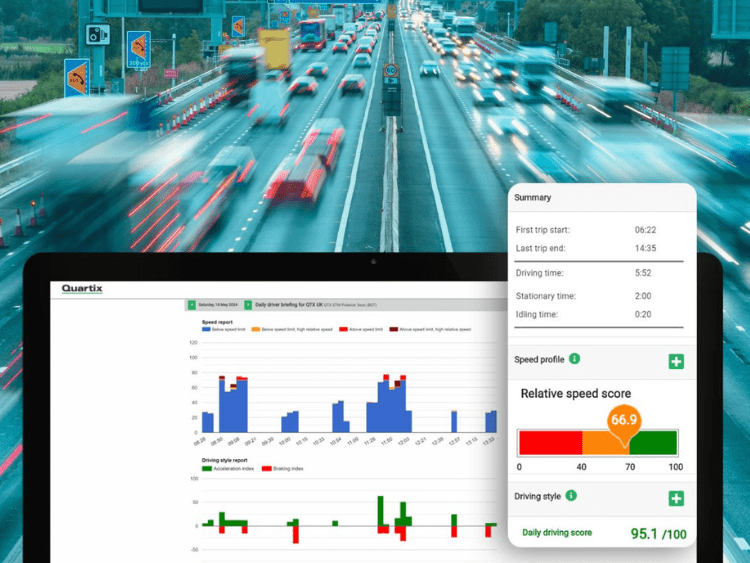
Traffic flows on a highway over a dashboard displaying driving analytics, including speed and driver scores by Quartix.

4. Use driving behaviour insights to spot risk

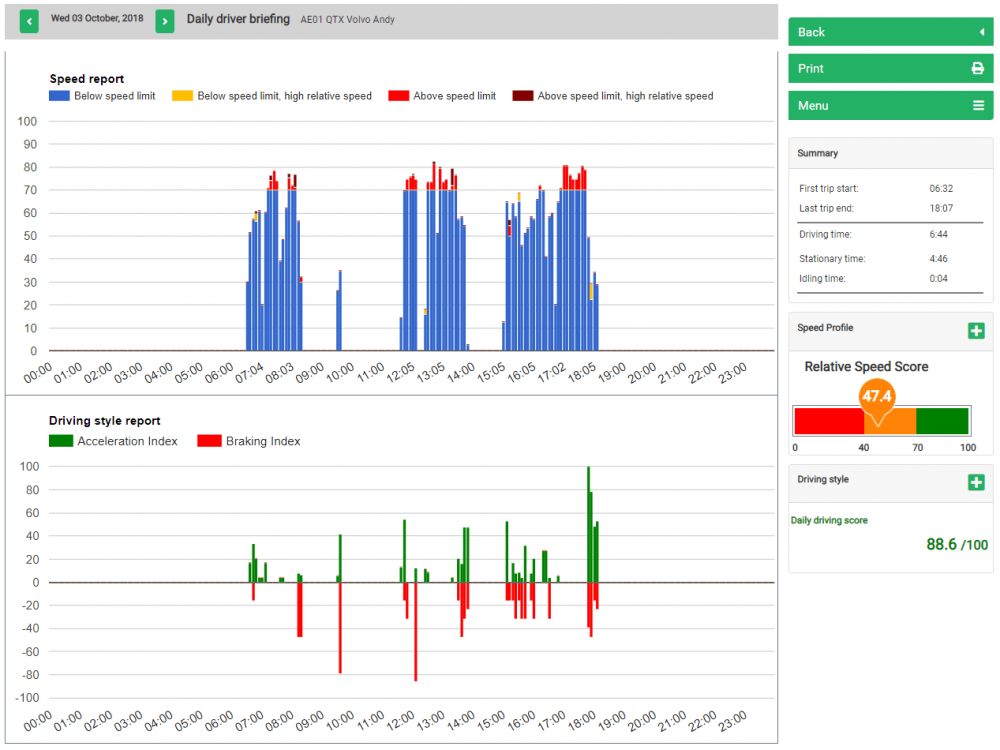
The Quartix vehicle tracking system provides a better measurement of safe speeds for your drivers; The Relative Speed Score uses contextual data to give a complete picture of their performance.

By measuring the speed of thousands of vehicles across the country, Quartix has designed the SafeSpeed database. Your driver’s speed, at any location, can be compared to the average speed of other vehicles that have travelled on the same section of roads.

The Relative Speed Score offers invaluable insight into driver safety. It allows you to coach your drivers more effectively, improve their driving behaviour and prevent accidents.  

5. Prepare for more emphasis on vehicle safety technology

With “additional safety technology in new cars” highlighted – your vehicle specs, renewal cycles, and maintenance decisions will increasingly be linked to safety outcomes.

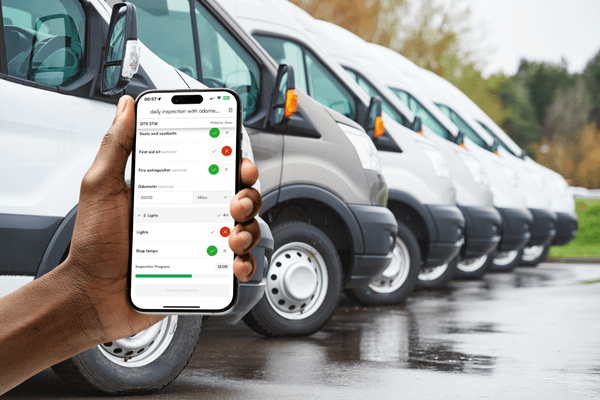
Our mobile app, Quartix Check, makes it easy for drivers to complete daily vehicle checks. They can use either a default or custom vehicle checklist. It includes default templates, such as a daily van, car, or HGV inspection. There is also a vehicle defect recording option, with photo upload capabilities. Your driver can record all the information needed with just a few clicks and swipes on their device. 

A hand holds a smartphone with a vehicle inspection checklist app displayed, in front of a row of parked white vans on a wet pavement.

How Quartix helps you build a safer fleet

Quartix helps you manage company vehicles by giving you visibility into vehicle usage, driving trends and behaviours, so you can take preventative action that strengthens duty of care and supports safer driving at work.

If you’re reviewing your road risk approach in light of the new strategy, reach out to our team to explore practical ways to strengthen your safety programme without adding unnecessary burden for drivers or managers.

Try our demo

See for yourself how Quartix works with our fully interactive real-time demo.

Need to speak to one of our experts?

01686 806 663

01686 806 663

Get a quote

Get a quote

We’ll help you decide which vehicle tracking option is right for you