


Securing Goods Vehicle Loads: What Are the New Rules?
Unsecured vehicle loads can lead to accidents, injury and legal action against your company. Here’s everything you need to know about the latest changes to the rules.
Unsecured vehicle loads can lead to accidents, injury and legal action against your company. Here’s everything you need to know about the latest changes to the rules.

Ensuring the safety of goods transported by vehicles is crucial for preventing accidents and maintaining road safety. If your business operates a fleet of company vehicles, whether Light Goods Vehicles (LGVs) or Heavy Goods Vehicles (HGVs), it’s essential to stay updated on the latest regulations. In this article, we will explain the recent changes to the rules for securing loads on your goods vehicles based on the updated guidance from the Driver and Vehicle Standards Agency (DVSA) as of December 9, 2024.
The proper securing of loads is not just a regulatory requirement but a fundamental aspect of transportation safety that can save lives, protect resources, and shield your business reputation.
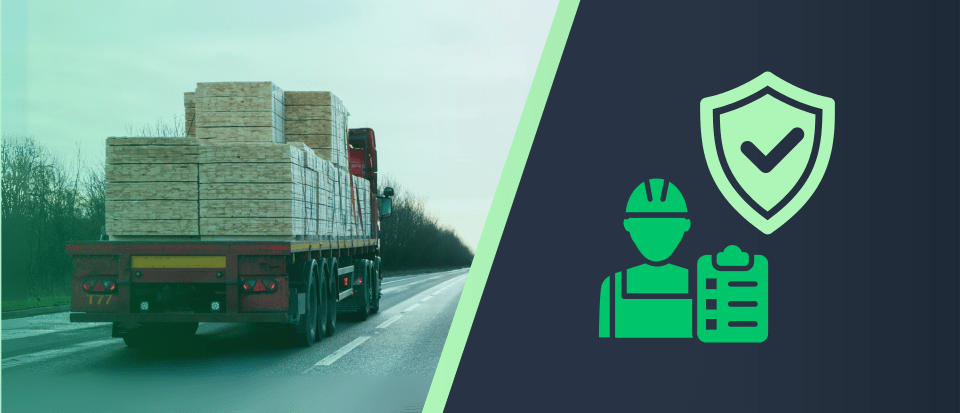
Securing loads on vehicles not only ensures the safety of the driver, the vehicle and its goods, it also protects other road users. Unsecured loads lead to accidents, causing damage and injury. In some cases, unsecured loads can result in fines or legal action against the driver or company.
Beyond legal repercussions, accidents caused by unsecured loads can have a significant impact on repair costs, compensation claims, and increased insurance premiums. Companies known for neglecting safety may find it challenging to maintain customer trust or secure future contracts.
Properly securing goods loads should from a critical part of your risk management strategy. Here’s everything you need to know.
Loads can shift during transportation if not secured properly. This can lead to:
A tragic real-world example underscores the importance of securing vehicle loads. In December 2022, a boy lost his life when an unsecured scaffolding board fell from the back of a van and through the windscreen of the car he was traveling in with his father in East Sussex. The van driver was sentenced for causing death by dangerous driving and had his license suspended.
Operating a vehicle with an unsecured load carries significant legal and financial repercussions:
Ensuring the safety of goods transported by vehicles is crucial for preventing accidents and maintaining road safety. If your business operates a fleet of company vehicles, whether Light Goods Vehicles (LGVs) or Heavy Goods Vehicles (HGVs), it’s essential to stay updated on the latest regulations. In this article, we will explain the recent changes to the rules for securing loads on your goods vehicles based on the updated guidance from the Driver and Vehicle Standards Agency (DVSA) as of December 9, 2024.
The proper securing of loads is not just a regulatory requirement but a fundamental aspect of transportation safety that can save lives, resources, and protect your business reputation.
The DVSA introduced several key updates to improve road safety and compliance for businesses operating goods vehicles. Here is a summary of the changes that you can read in full on their website:
Businesses must now conduct more thorough risk assessments and implement documented processes for securing loads to comply with stricter enforcement.

Drivers loading vehicles must use appropriate securing equipment and undergo mandatory training to ensure compliance with updated load security standards.

Companies that arrange goods transportation have additional responsibilities to verify that all loads are adequately secured before transportation begins.

The updated regulations now place greater emphasis on dangerous goods transportation, incorporating specific security measures to align with existing hazardous materials laws.

New recommendations regarding friction, securing oversized or tall loads, and ensuring that load removal does not affect overall stability.
Drivers must now perform more frequent load inspections during transit, and keep detailed records as evidence of compliance.

Businesses found to be non-compliant with the updated load securing standards face heavier fines, potential license loss, and increased scrutiny from regulatory authorities.

Guidance now specifies the use of high-strength securing equipment, and discourages the combination of lashing straps (ratchet straps), and chains to avoid load instability.
Before loading, assess the type and weight of the goods. This will determine the best method for securing the load. Consider the following:
Additionally, consider the fragility and value of the goods being transported, as these factors may call for additional protective measures. Engaging with logistics experts can further enhance your ability to secure loads effectively.
Choose restraints suitable for the load:
The updated DVSA guidance recommends against combining lashing straps and chains. Securing parts of a divisible load higher than the headboard also requires additional measures. This guide explains how to use ratchet straps to secure a load to your vehicle.
Choosing the right restraints is critical, and investing in high-quality equipment can prevent costly accidents. Regularly inspect your securing devices to ensure their effectiveness.
During transit, regularly check that the load remains secure, especially on long journeys or rough terrain.
Implementing a routine vehicle check schedule can enhance the safety and security of your loads during transit. For tips on more general vehicle safety checks and how often you should perform these, see our guide to fleet safety inspections.
Understanding where your drivers are at any time can be crucial in an emergency. Live tracking systems keep an accurate log vehicle activity to help you stay on top of your business operations. Check out our guide to using fleet tracking technology to stay competitive as an SME and learn how to secure courier and back-haulage jobs more easily – turning empty miles into profit for your business.
Ensure all drivers and loading staff are trained in load securing techniques and understand the legal requirements, including:
Investing in training programs not only enhances safety but also boosts employee confidence and competence in handling diverse loads.
Overloading a vehicle can lead to instability and increase the risk of accidents. Always adhere to the vehicle’s maximum load capacity and distribute weight evenly. It is crucial to understand the manufacturer’s specifications for load limits and to use weighing equipment to verify compliance.
Ignoring load limits not only endangers safety but also accelerates wear and tear on the vehicle, leading to increased maintenance costs and potential mechanical failures.
Using insufficient or inappropriate restraints can cause loads to shift during transit. Always choose restraints that are suitable for the load type and weight. Invest in high-quality securing equipment and ensure it is used correctly to reduce the risk of load movement.
Regular training on the proper use of restraints and using quality control measures help prevent these errors.
Failing to check loads during a journey can lead to dangerous shifts. Regularly inspect the load and make adjustments as needed. Various factors can influence load shifts, including road conditions and driving behaviour.
Implementing a proactive approach to load checking, along with using modern technology for monitoring, can help mitigate the risks associated with load movement.
Securing loads on goods vehicles is a crucial aspect of road safety and legal compliance. By understanding and adhering to the updated DVSA rules and best practices, your business can protect its drivers, goods, and reputation as well as other road users. Ensure your team is trained and equipped with the right tools to effectively secure loads.
By prioritising load security, you help create a safer road environment for everyone. Stay informed, stay compliant, and always double-check your loads before hitting the road.
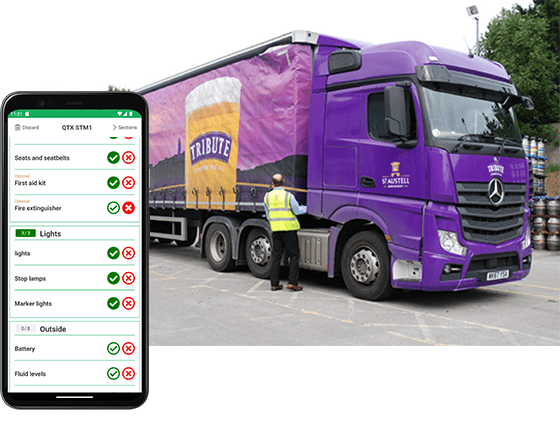
For a comprehensive vehicle inspections app for your company drivers, see our Quartix Check solution.

We’ll help you decide which vehicle tracking option is right for you


Top-rated fleet tracking, zero setup fees. Limited time offer for new customers.
Get the discount