

The Dangers of Poor Tyre Health: Protect Your Business Fleet
Discover the critical importance of tyre maintenance for business fleets. Learn how tools like the Quartix Check app can enhance safety and compliance.
Discover the critical importance of tyre maintenance for business fleets. Learn how tools like the Quartix Check app can enhance safety and compliance.
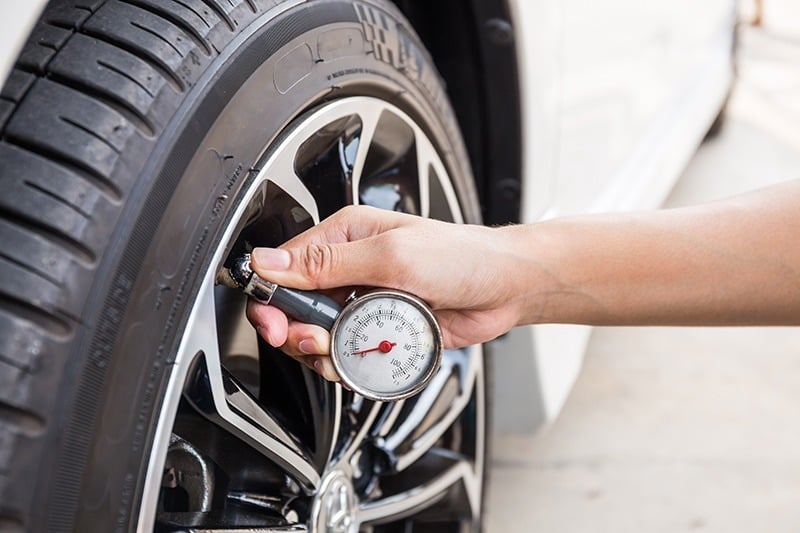
In 2023, the UK witnessed a concerning 29% rise in tyre-related casualties, with 190 individuals killed or seriously injured due to defective tyres – the highest number since 2018. This alarming statistic underscores the critical importance of tyre maintenance for business fleets. Neglecting tyre health not only endangers lives but also exposes businesses to legal liabilities and financial losses.
Tyres in poor condition are a ticking time bomb. Under-inflated tyres, for instance, can overheat and lead to blowouts, while over-inflated ones may cause reduced traction and uneven wear. Worn tread diminishes grip, especially in wet conditions, increasing the risk of accidents. The Health and Safety Executive (HSE) underscores that maintaining vehicles in a safe condition is a legal obligation, encompassing regular tyre checks.
Beyond safety, neglecting tyre maintenance can inflate operational costs. Incorrect tyre pressure affects fuel efficiency – under-inflated tyres can increase fuel consumption by nearly 2%. For fleets covering extensive distances, this translates into significant, avoidable expenses. Moreover, poorly maintained tyres wear out faster, leading to frequent replacements and escalating costs.
Businesses are legally mandated to ensure their vehicles are roadworthy. Failure to maintain tyres can result in hefty fines, increased insurance premiums, and reputational damage. The HSE advises that employers must ensure vehicles are safe and fit for purpose, which includes regular tyre inspections and maintenance. Learn more about the corporate responsibility of tyre health.
Under-inflated tyres increase rolling resistance, leading to higher fuel consumption and excessive wear. They generate more heat, heightening the risk of blowouts. Even as little as 10% underinflation makes the braking distance longer and can make a vehicle harder to steer. Regular pressure checks are essential to mitigate these risks.
Over-inflated tyres can cause reduced traction and uneven wear, compromising vehicle handling and safety. Maintaining manufacturer-recommended pressure levels is crucial.
The legal minimum tread depth in the UK is 1.6mm. However, recent research indicates that only 39% of drivers are aware of this requirement, leaving 61% potentially driving on illegal tyres. Tyres below this threshold offer reduced grip, especially in wet conditions, and increase stopping distances.
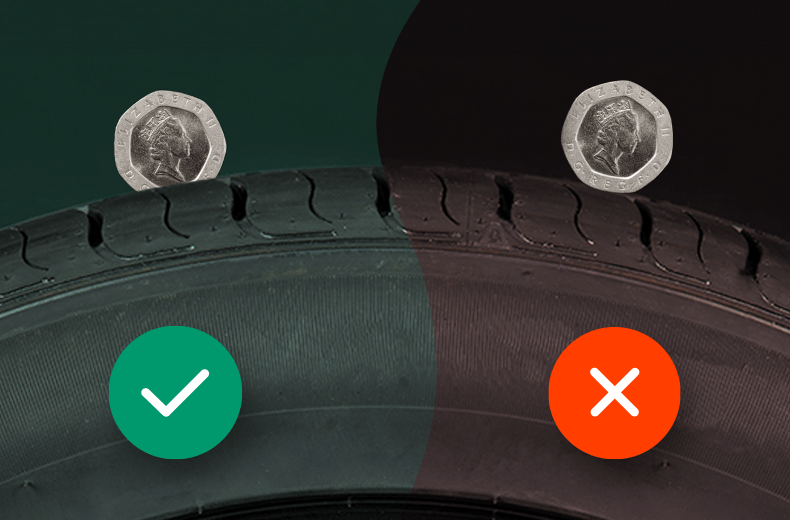
Cuts, punctures, or bulges can compromise tyre integrity, leading to sudden failures. Regular visual inspections help identify and address these issues promptly.
Drivers are the first line of defence in tyre maintenance. They should conduct daily visual inspections, checking for visible damage, tread depth, and proper inflation. Encouraging drivers to report issues promptly ensures timely interventions.
Employers must implement regular maintenance schedules, provide proper training, and ensure compliance with safety standards. A clear policy that unsafe vehicles should not be driven is essential.
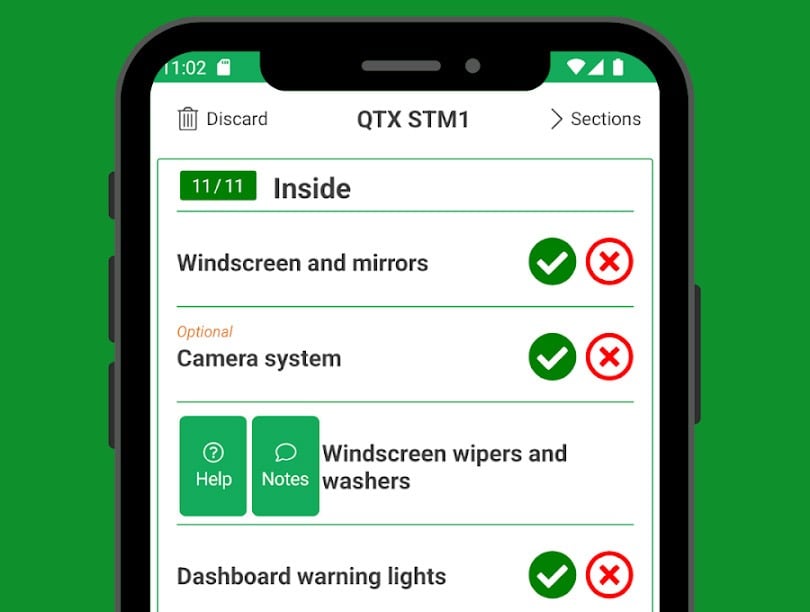
Digital tools can streamline inspection processes, provide real-time data, and enhance record-keeping. For instance, the Quartix Check app enables drivers to perform vehicle inspections using either default or customised checklists, ensuring that all necessary safety protocols are adhered to. Features such as photo uploads and detailed incident reporting allow for precise documentation of any issues, facilitating prompt maintenance actions. This digital approach not only eliminates the need for cumbersome paper records but also creates a transparent audit trail, bolstering compliance efforts.
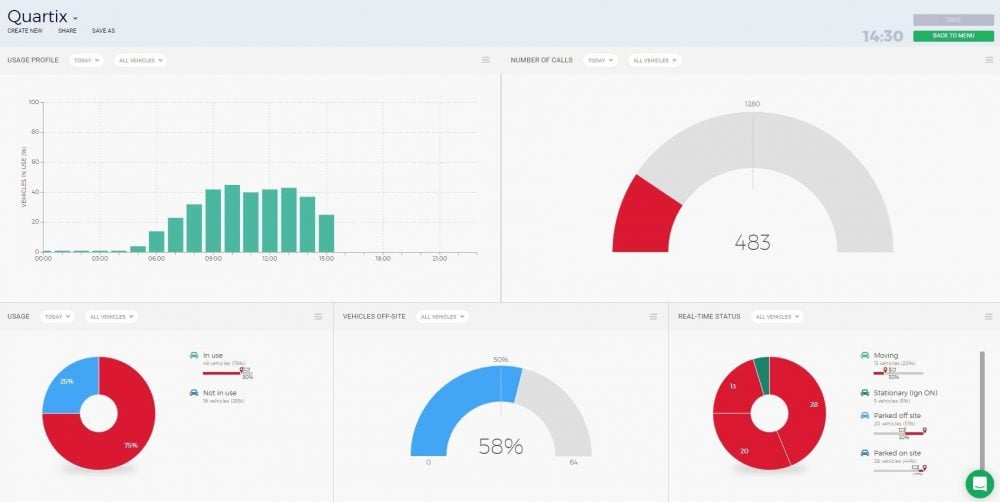
Integrating tools like the Quartix Check app with existing fleet management systems provides a holistic view of vehicle health and maintenance needs. This integration allows fleet managers to monitor inspection outcomes, track defect reports, and schedule timely repairs, thereby reducing vehicle downtime and enhancing overall operational efficiency.
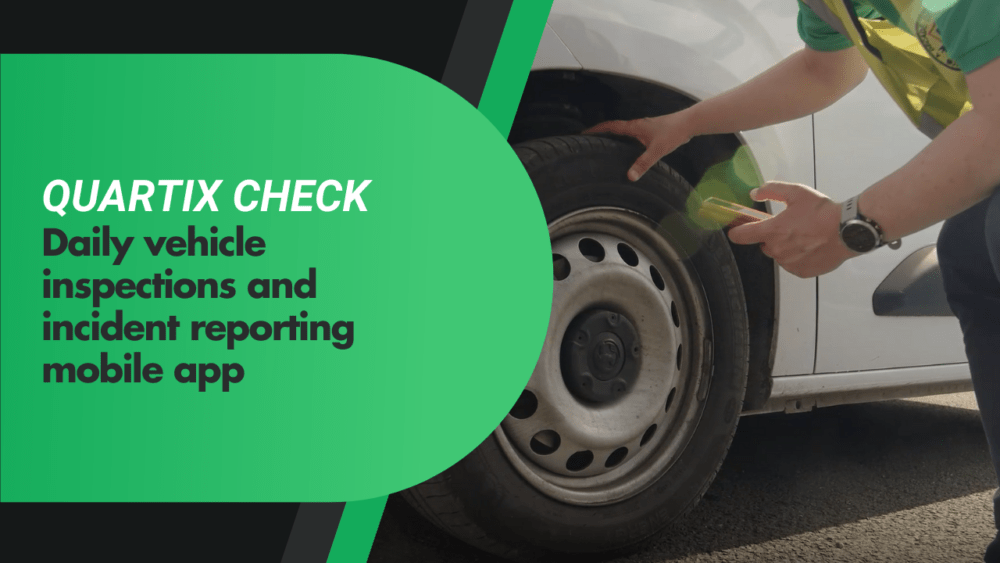
Setting guidelines for regular tyre inspections, maintenance schedules, and replacement criteria ensures consistency and safety across the fleet.
Educating drivers and maintenance staff on tyre safety and the correct use of inspection tools fosters a culture of safety and responsibility.
Utilising telematics and other monitoring systems provides ongoing feedback on tyre performance and driver behaviour, enabling continuous improvement.
Tyre health is not just a maintenance issue; it’s a critical component of fleet safety, efficiency, and legal compliance. By prioritising regular maintenance practices and integrating advanced inspection solutions, businesses can mitigate risks, reduce costs, and ensure the safety of their drivers and the public. Remember, a well-maintained tyre is the foundation of a safe and efficient journey.

We’ll help you decide which vehicle tracking option is right for you


Top-rated fleet tracking, zero setup fees. Limited time offer for new customers.
Get the discount