

Driver Behaviour Training: Gamifying Driver Scores
Improving driving habits doesn’t have to be complicated. By using driver scores and gamification, you can motivate your team and create safer, more cost-efficient operations. Here’s how.


Improving driving habits doesn’t have to be complicated. By using driver scores and gamification, you can motivate your team and create safer, more cost-efficient operations. Here’s how.
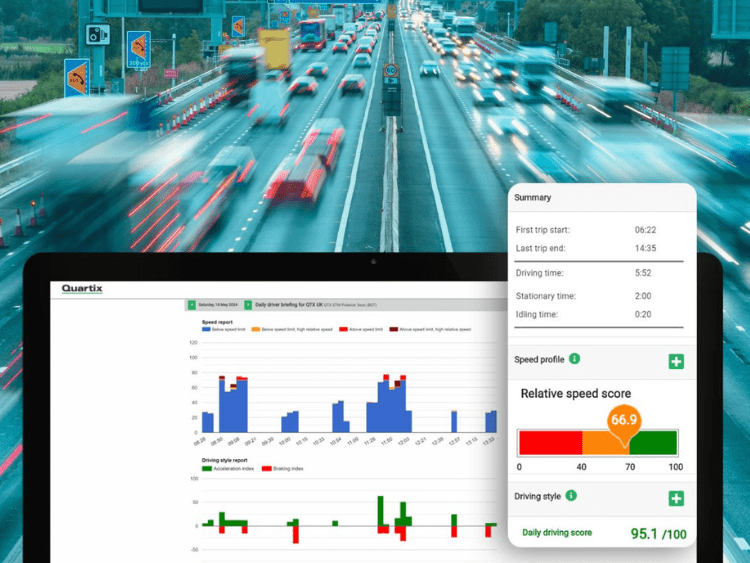
Poor driving habits can lead to higher fuel costs, more wear and tear on your fleet, and an increased risk of accidents. The good news is, with a driver behaviour monitoring system that includes driver scores, you can tackle these issues head-on – cutting costs and making the roads safer for everyone.
Here are a few vehicle tracking features and strategies you can use to improve how your vehicles are driven.
How your vehicles are driven directly impacts your fleet’s safety, costs, and CO2 emissions. Promote better driving habits and address risky behaviour early, with the help of our colour-coded driver behaviour monitoring reports and driver league tables.
By tracking key performance metrics such as acceleration, driving time, braking, and change in speed, telematics systems calculate individual driver scores to identify areas for improvement. You can use these scores to encourage better driving styles with targeted training and to gamify better results.
Driver scores show a driver’s performance based on specific driving style factors. These factors typically include:
Our driver scores are colour-coded by the following ranges:

You can mitigate risk even further using our unique SafeSpeed Data that evaluates a driver’s speed relative to other road users on the same road segment, rather than relying on assigned speed limits alone.
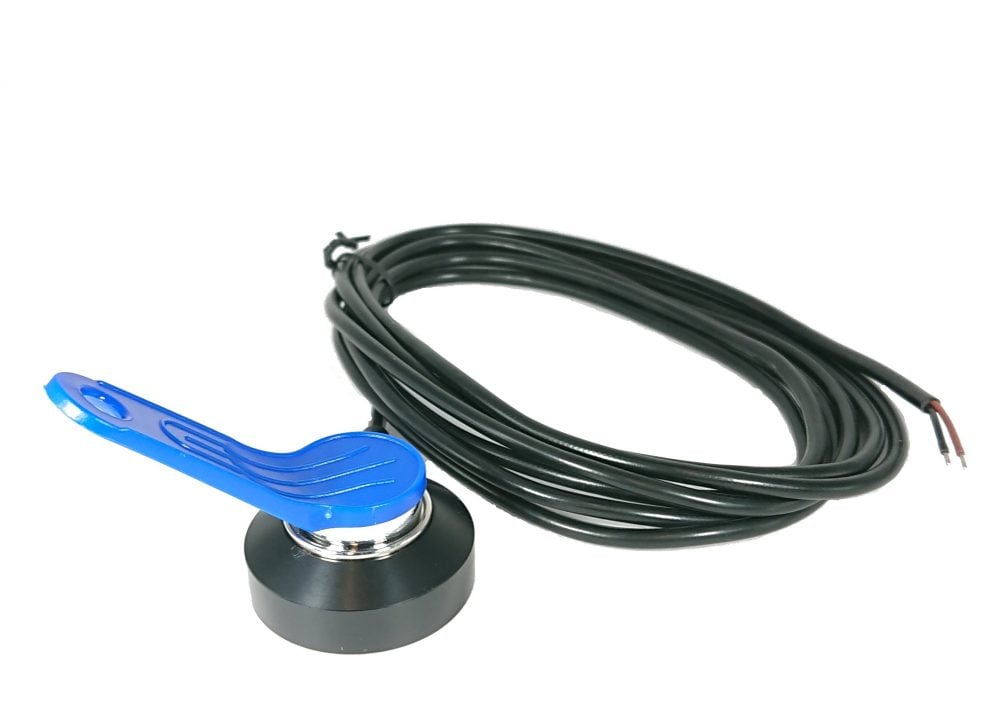
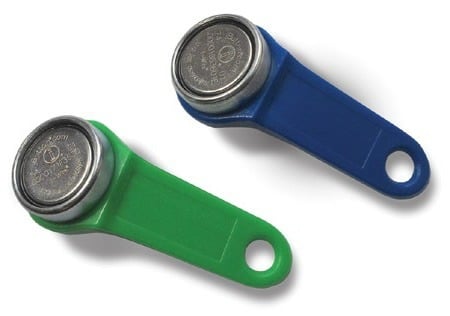
Driver ID fobs make it easy to track individual drivers, even when vehicles are shared.
Each driver gets a personal fob, which they tap on a dashboard reader to register their trips and link driving data to their profile.
You can also use your company’s existing RFID cards, often used for building access or clocking in and out, as part of a Driver ID solution.
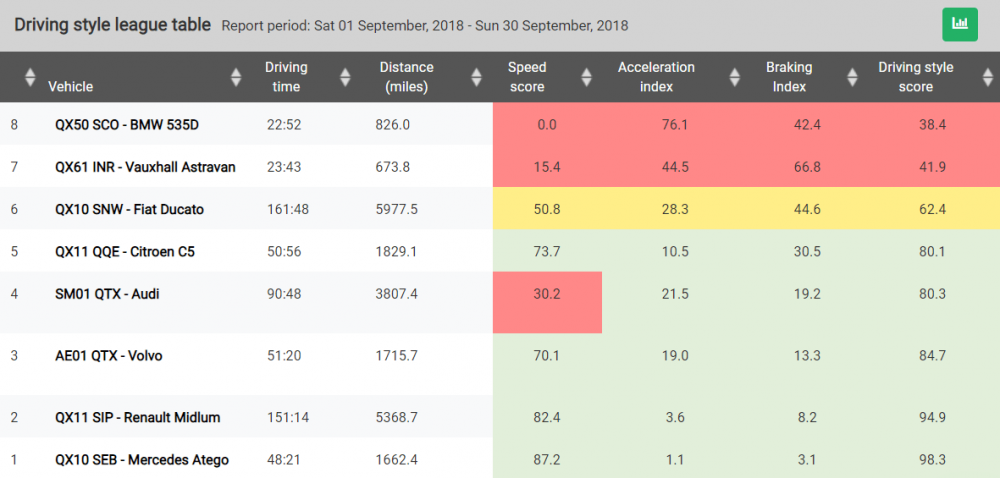
Driver league tables rank drivers based on their driver behaviour scores, helping you monitor performance across a fleet. They provide a visual representation of driver performance to encourage competition and improvement. A driver league table identifies:
Introducing new fleet technology is most successful when drivers feel involved and see the value it brings to their work. Here’s how to get your team on board:
Rewarding good driving behaviour and improved driving scores is an effective way to motivate your employees. Monthly and annual incentive programs can include:
By publicising driver scores within your business, you create a sense of competition among employees. To encourage more engagement you can:
Transport Manager Scott Logan set ambitious sustainability goals for highway safety and road marking company, WJ, to reach through an extensive driver training plan with telematics at its core.
Initially, the business faced driver scepticism regarding driver monitoring systems. However, by introducing attractive incentive schemes and communicating the benefits of driver behaviour tracking, the company saw significant improvements.
In just one year of using Quartix vehicle tracking with a dedication to this cause, WJ has achieved:
“Initially, some drivers weren’t receptive to the suggestion that they could improve the way that they drive, and they offered excuses as to why the results might be unfair.
In the first months, we had no drivers with green (good) scores. We started publicising the results, and were inundated with questions from them about how to improve. Now, they are all competing for the top position – it’s always very tight each month, with most drivers scoring between 95-99.
We’ve upskilled our drivers and improved their wellbeing, reduced costs and improved our carbon efficiency – and got a far better handle on our operations in the process.”
St Austell Brewery leveraged daily briefings to review driver performance, leading to a 20% improvement in driving style scores. Regular feedback helped drivers feel involved in the process, ultimately resulting in better driving habits and increased safety and efficiency.
“Our drivers have faith in the tracking system. The driving style performance data makes sense to them and we’ve seen dramatic improvements in their scores as a result. All our drivers are now in the 80-100 driving score range, which is where we wanted to be. Quartix is all about seeing what your vehicles are doing and getting the best driving style out of your drivers. It enables you to reduce accidents, maintenance costs and see a better fuel economy,” says Karl Davidson, Depot Manager at St Austell Brewery.
The team at John O’Conner Grounds Maintenance spotted a link between driving scores and vehicle maintenance overheads: A driver with green driving scores totalled £1200 in fuel consumption, £96 in workshop repairs and just 1.5 hours of workshop labour time over a 3-month period. In the same 3 months, a driver with a red driving score, covering similar mileage, used £150 extra fuel, cost the company an extra £2120 in repairs and incurred 29.5 hours of workshop labour.
“Vehicle tracking actually works in our drivers’ defence, it’s their personal protection in case of unfair claims. Drivers expect vehicle tracking nowadays. It shows that a company is fully invested in its operations and in the safety of its employees,” says Managing Director Matt O’Conner.
Insights pulled from key fleet tracking reports such as the driver league table allow Fleet Manager Justin Toole to update M&Y Maintenance and Construction teams on the following:
“I present the Quartix driver league table at our operations meeting every month. We’ve been able to improve our minimum standard driver score through educating the drivers and training them.
It’s often the same drivers sitting in the top ten but there is real competition amongst staff to get to the top. When new recruits join, they sometimes go straight to the top because they might have previously learnt how to get the good driving scores”
South Staffordshire Plc has almost 2,000 vehicles nationwide, ranging from cars to 5 tonne vans, and operates a number of specialists HGVs, all fitted with Quartix vehicle tracking. Head of Fleet and Managing Director of Fleet Services Bob Stokes explains how driver behaviour monitoring has helped them drive down insurance claims and premiums.
“Our drivers know that the managers receive their driving reports every week. We focus on drivers who have been flagged as ‘red’ in the driver behaviour reports and we match this with vehicle maintenance analysis, looking at excessive tyre and brake wear. It’s been a really effective way of encouraging them to drive better and safer.”
Drivers may initially have concerns about privacy and the purpose of driver monitoring systems. To overcome these challenges, clearly communicate the benefits of driver scores and be transparent about how the data will be used.
Ongoing education is important for maintaining progress. Offering courses such as Safe and Fuel-Efficient Driving (SAFED) and other training programs can reinforce good driving habits and encourage long-term commitment.
The Quartix tracking system integrates with driver training tools such as Praiso, feeding telematics data into a tailored, interactive driver coaching system, that tracks engagement with the training materials.
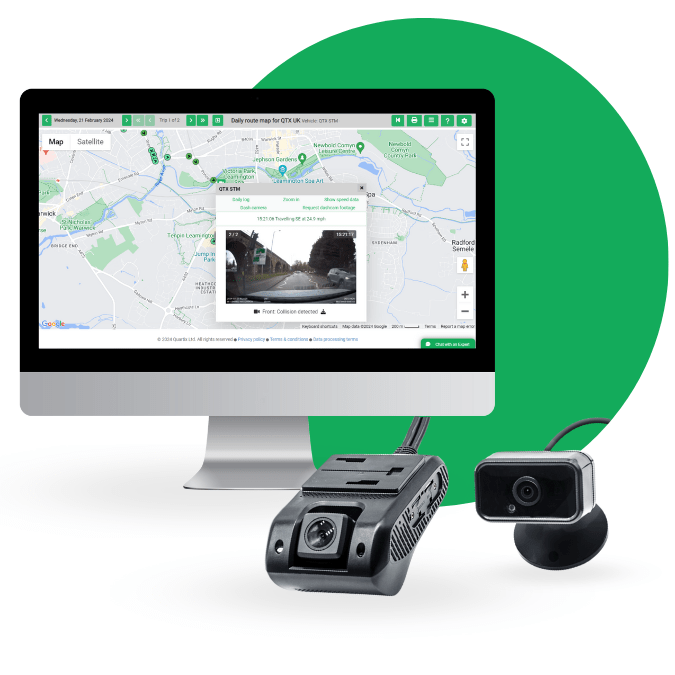
Sometimes, your drivers might face scrutiny over their driving behaviour when, in reality, they had to brake sharply due to another driver’s actions.
Fleet dashcams provide valuable evidence in these situations, protecting your drivers when they’re not at fault.
For tips on getting your drivers onboard with dashcams, check out our guide to encouraging dashcam buy-in.
Driver behaviour reports are tools for ongoing improvement. Give your staff access to fleet tracking mobile apps to monitor their own progress and help them improve their skills.
Be sure to match your company policies with your safe driving goals and acknowledge success to help keep people motivated. Remember to regularly celebrate top performers to reinforce the importance of responsible driving.
Improving driving habits doesn’t have to be complicated. By using driver scores and gamification, you can motivate your team and create safer, more cost-efficient operations. The key to lasting success is involving your staff, celebrating their progress, and making safety a shared goal.
If you’d like to try driver behaviour monitoring, talk to us today to learn how Quartix can help you get started!
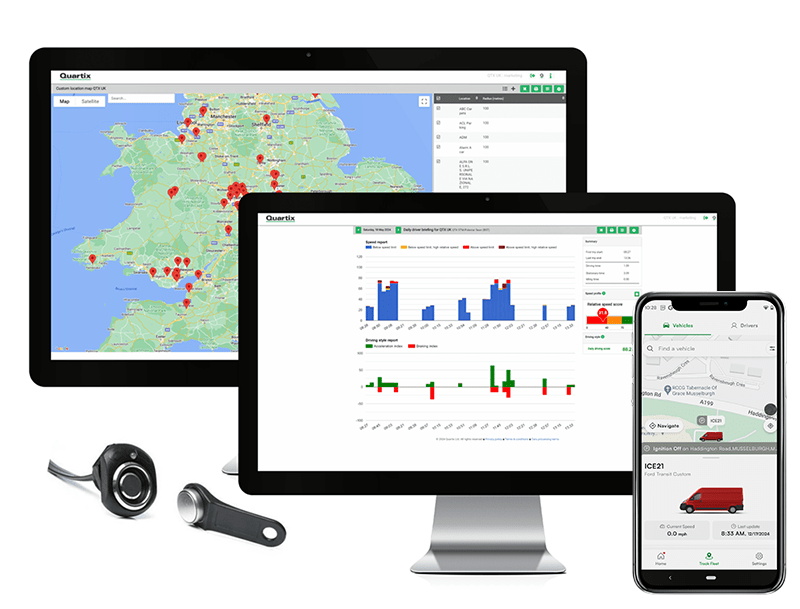

We’ll help you decide which vehicle tracking option is right for you
Top-rated fleet tracking, zero setup fees. Limited time offer for new customers.
Get the discount